Shawmut Hills
Nature trails and mid-century charm
Neighborhood · Kent County
Shawmut Hills at a glance
A rolling, wooded northwest Grand Rapids neighborhood with mid-century brick homes, larger lots, and 264-acre Blandford Nature Center next door.
- Median Price
- $250,000
- School District
- Grand Rapids Public Schools
- Tax Millage
- 33.63
Market data as of 2026-03.
Overview
Overview
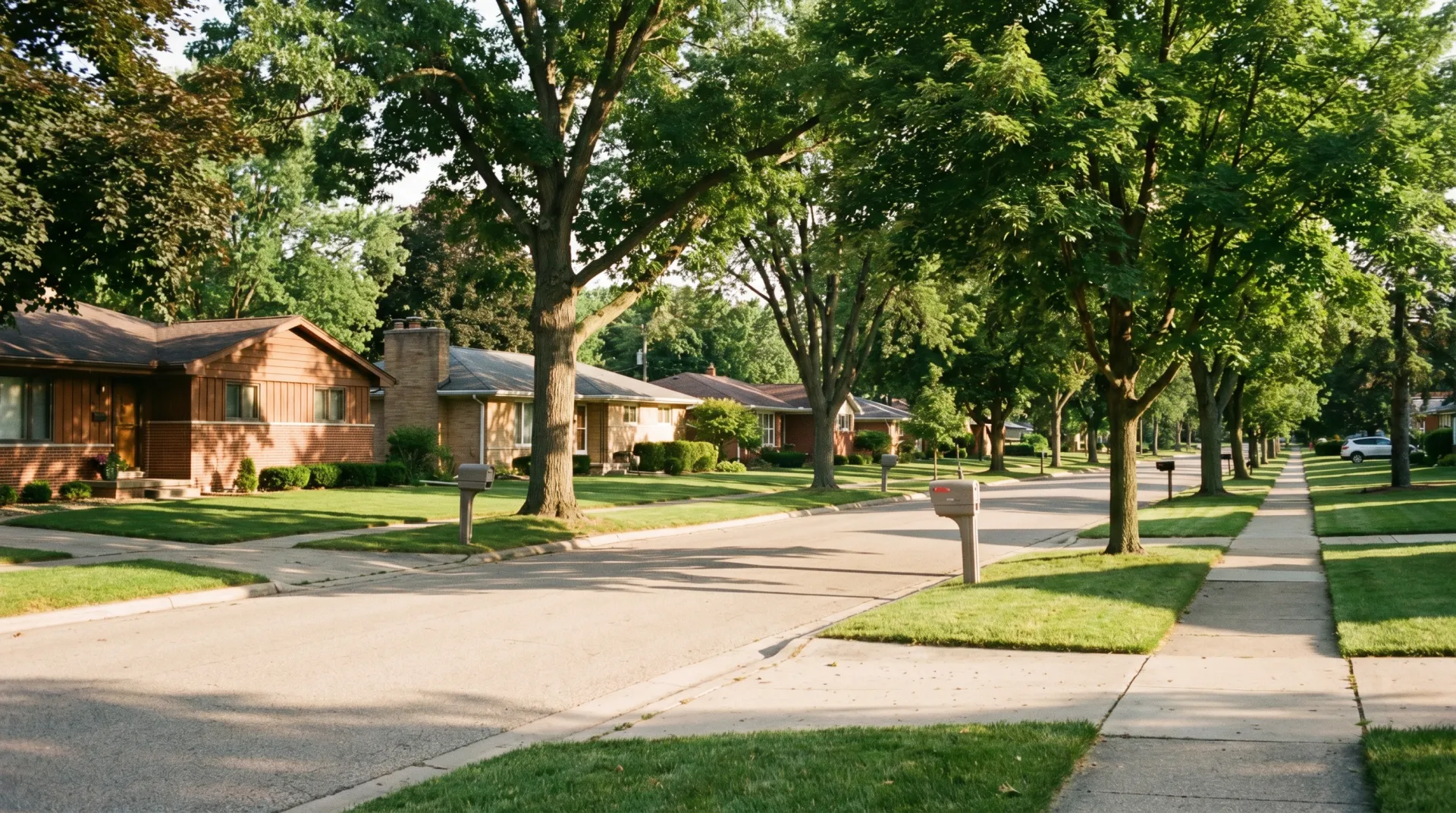
Shawmut Hills stands apart from most Grand Rapids neighborhoods in its topography and street layout. The neighborhood occupies rolling, hilly terrain on the city's northwest side, with winding streets that follow the natural contours of the land rather than the grid pattern typical of most Grand Rapids neighborhoods. Mature trees line these curving roads, and the combination of elevation changes and dense tree canopy creates a setting that feels more suburban than urban, despite being within the Grand Rapids city limits.
The housing stock is predominantly mid-century in character, with brick-exterior ranch homes, two-story colonials, and Cape Cod-style houses set on larger lots than those found in the city's older, denser east-side neighborhoods. Lot sizes range from approximately 0.1 acres for smaller properties to half an acre for the larger parcels, giving residents more space and privacy than many other city neighborhoods. Some newer custom-built homes have been interspersed among the mid-century originals, adding architectural variety while maintaining the residential character.
The neighborhood has no commercial activity within its boundaries, maintaining a purely residential identity. Residents access commercial amenities via Alpine Avenue NW (a major retail and restaurant corridor approximately 0.5 to 1 mile west), the West Leonard business district to the north/northeast, and Lake Michigan Drive to the south. Shawmut Hills School, a Grand Rapids Public Schools campus serving Pre-K through 8th grade, has been a longstanding anchor of the community, and its campus features old-growth trees, wildlife habitats, and an edible garden maintained by the school community.
Real Estate
Real Estate
Shawmut Hills' real estate market offers substantially more lot size and living space per dollar than comparably priced homes on Grand Rapids' east side. The median sale price sits around $250,000, with a range from approximately $175,000 for modest mid-century ranches to $375,000 for larger, updated two-story homes. Property values have been increasing approximately 5% year-over-year.
What to expect:
- Single-family homes almost exclusively: 1,500 to 2,500 sq ft, 3 to 4 bedrooms, on lots ranging from 0.1 to 0.5 acres
- Architectural styles: Ranch, Cape Cod, and Colonial, predominantly brick exterior, built 1950s through 1970s
- New construction: Limited to scattered individual custom-built homes on existing lots; no active subdivisions
- HOA prevalence: Uncommon; the vast majority of properties are standalone single-family homes without HOA governance
Inventory is limited given the residential nature of the area and the absence of new subdivision development. Rental inventory is also limited, consistent with the neighborhood's high homeownership rate and single-family character. The mid-century homes typically feature brick construction, hardwood floors, and functional layouts, though many at the lower end of the price range may need kitchen, bathroom, and systems updates.
Architecture
Architecture
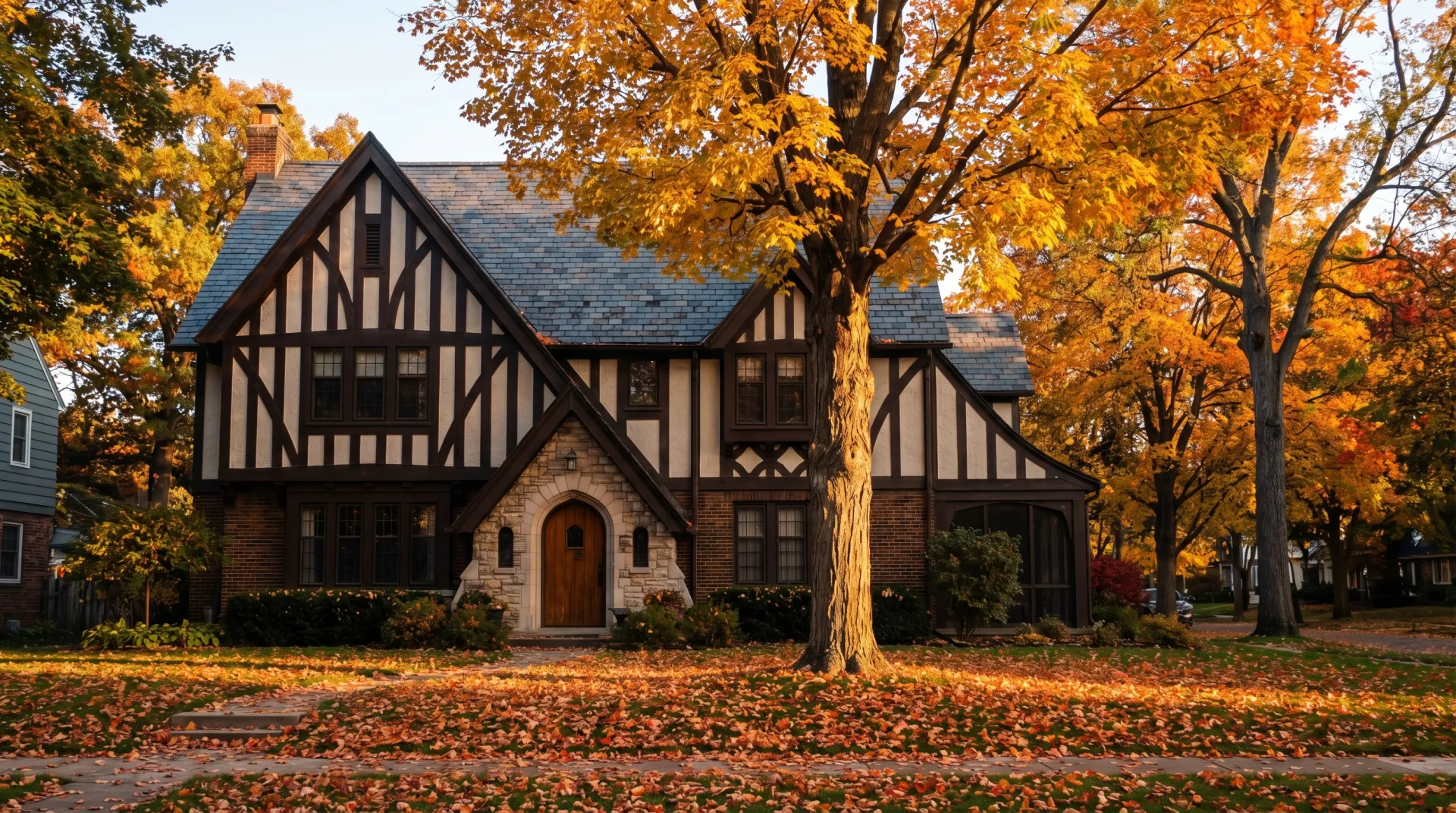
Shawmut Hills' housing stock dates predominantly from the 1950s through the 1970s, representing the post-World War II chapter of Grand Rapids' residential expansion. The dominant architectural styles include Ranch, Cape Cod, and Colonial, all featuring the solid construction and practical design of the mid-century building era.
Brick exteriors are prevalent throughout the neighborhood. Many homes feature hardwood floors, large picture windows, fireplaces, and attached or detached garages. The rolling terrain means many properties have walkout basements and varied elevation profiles that add architectural interest not found in flat-terrain neighborhoods.
Lot sizes range from approximately 0.1 acres for smaller properties to approximately 0.5 acres for larger parcels. The average lot is substantially larger than the compact urban lots found in Grand Rapids' older east-side neighborhoods. Home sizes range from approximately 1,500 to 2,500 square feet, with most homes featuring 3 to 4 bedrooms. Some earlier homes date to the 1940s, and scattered newer construction from the 1990s through the 2020s fills in among the mid-century originals. No historic district designation exists; the housing stock is mid-century rather than historic-era.
Schools
Schools
Shawmut Hills falls within the Grand Rapids Public Schools (GRPS) district, though the neighborhood's western edge borders the City of Walker, which is served by the Kenowa Hills Public Schools district. Buyers near the western boundary should verify which district serves a specific address.
Shawmut Hills School (2550 Burritt St NW) is the neighborhood's anchor educational institution, serving scholars in grades Pre-K through 8th grade with approximately 290 students enrolled. The school functions as both an elementary and middle school, eliminating the need for a school transition during those years. The campus features old-growth trees, wildlife habitats, and an edible garden run by scholars and the school community, integrating outdoor education into the curriculum.
For high school, GRPS assignment is determined by the Attendance Area Finder based on home address. Union High School, located on the neighborhood's eastern boundary, is among the GRPS high schools accessible to residents. Private and charter options nearby include Oakleigh School and various schools accessible via Alpine Avenue. GRPS participates in Schools of Choice, allowing enrollment in theme schools and specialized programs beyond the assigned neighborhood school.
Dining
Dining

Shawmut Hills contains no commercial activity within its boundaries. The nearest dining options are concentrated on three surrounding corridors.
The Alpine Avenue NW commercial corridor, approximately 0.5 to 1 mile west, is a major retail and restaurant strip with a wide variety of chain and local restaurants. The West Leonard business district, approximately 0.5 to 1 mile northeast, includes locally owned restaurants, cafes, and specialty shops. The Lake Michigan Drive (M-45) corridor to the south provides additional dining options.
Within the immediate neighborhood area, Shawmut Inns is a local American pub establishment. The Alpine Avenue corridor to the west offers the broadest selection of everyday dining options.
Grocery options are available along the Alpine Avenue commercial corridor, including chain supermarkets. Additional grocery options are located along Lake Michigan Drive. Shopping is concentrated on Alpine Avenue NW, which provides a wide variety of retail stores approximately 0.5 to 1 mile west. Downtown Grand Rapids offers larger retail options approximately 4 to 5 miles east.
Parks
Parks and Recreation
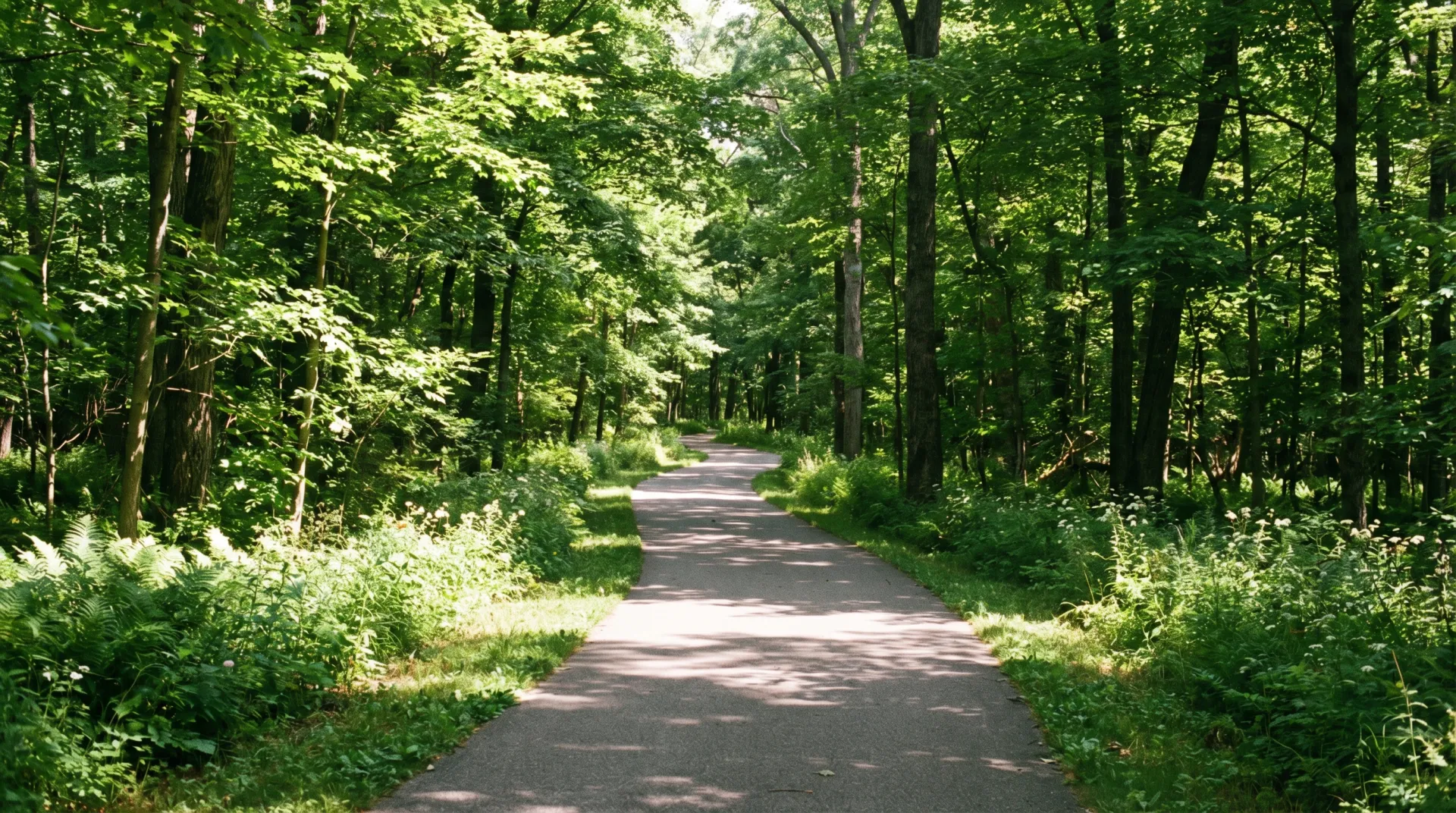
The signature outdoor amenity adjacent to Shawmut Hills is Blandford Nature Center (1715 Hillburn Ave NW), a 264-acre city-owned nature preserve offering trails through forests, wetlands, and meadows. The center provides nature trails of varying lengths and difficulty levels, educational programs, wildlife experiences, and a visitor center (opened 1968). No other Grand Rapids neighborhood has direct adjacency to a nature preserve of this scale.
Shawmut Hills Park is located within the neighborhood, providing green space and recreation. Richmond Park, approximately 1 mile east, is a larger multi-acre park with a seasonal swimming pool, sledding hill, playground, and sports fields.
The broader Grand Rapids trail network, including connections to Millennium Park and the Kent Trails system, is accessible via short drives from the neighborhood. Additional recreation is available at Johnson Park and John Ball Park, both within 5 to 7 kilometers. The Greater Grand Rapids Bicycle Coalition maintains maps of area cycling routes, though the neighborhood's hilly terrain and winding streets differ from the flat, grid-based bike infrastructure on the east side.
Getting Around
Transportation
Shawmut Hills' location on Grand Rapids' northwest side puts downtown approximately 4 to 5 miles away, a 10 to 15 minute drive.
Public transit includes Rapid bus routes along Leonard Street and Lake Michigan Drive, accessible from the neighborhood's northern and southern edges. Fixed-route buses operate at 30 to 60 minute headways depending on route and time of day. Rapid Central Station (250 Grandville Ave SW), the system's primary hub, is approximately 4 to 5 miles east.
Bike infrastructure exists through Grand Rapids' 80+ miles of citywide bike lanes, though the neighborhood's hilly terrain and winding streets create a different cycling experience than the flat, grid-based east-side infrastructure.
Major road access includes Lake Michigan Drive / M-45 (southern boundary, major east-west arterial connecting to downtown and the lakeshore), Leonard Street NW (northern boundary, east-west connector), and Alpine Avenue NW (approximately 0.5 to 1 mile west, major north-south commercial corridor). I-196 / US-31 is accessible via Lake Michigan Drive. Gerald R. Ford International Airport is approximately 16 to 18 miles southeast, a 22 to 28 minute drive.
Community
Community
Shawmut Hills is a neighborhood within the City of Grand Rapids, which operates under a council-manager form of government. The neighborhood's western edge borders the City of Walker, which has different property tax rates and its own municipal services.
Shawmut Hills School serves as the neighborhood's primary community anchor, with the school campus and its grounds functioning as a gathering point for the residential area. The school's old-growth trees, wildlife habitats, and edible garden are community assets that extend beyond the educational mission.
The nearest Grand Rapids Public Library branch is the GRPL West Leonard Branch (1017 Leonard St NW), serving the broader west side area. Blandford Nature Center, adjacent to the neighborhood, offers year-round programming including educational workshops, seasonal nature programs, and community events.
The neighborhood maintains a residential character without a formally organized neighborhood association comparable to those in Heritage Hill, Belknap Lookout, or Ottawa Hills. Community connections are maintained through the school, Blandford Nature Center programming, and informal neighborhood networks.
History
History
Shawmut Hills was developed primarily in the 1950s and 1960s as a residential subdivision on the northwest side of Grand Rapids. The neighborhood represents the post-World War II suburban expansion within city limits, when the city grew westward and northwestward into previously rural and agricultural land. The rolling terrain, larger lot sizes, and mid-century architectural styles distinguish Shawmut Hills from the older, denser neighborhoods on the city's east side.
Shawmut Hills School has served as a community anchor since the neighborhood's development. The school campus features old-growth trees that predate the residential construction, connecting the site to the area's pre-suburban natural landscape.
Blandford Nature Center, adjacent to the neighborhood, has its own history. The site began as Collins Woods, part of the Collins family farm. Dr. Mary Jane Dockeray convinced the Blandford family to donate 17 acres to the Grand Rapids Public Museum in 1968. The center has since expanded to 264 acres of city-owned land, making it the largest nature preserve within the Grand Rapids city limits.
Shawmut Hills' identity today reflects the mid-20th century chapter of Grand Rapids residential development. The automobile-era suburban patterns of the 1950s and 1960s, with curving streets, larger lots, and brick ranch homes, created a neighborhood character quite different from the walkable, grid-based neighborhoods that developed during the city's 19th century industrial period.
Investment
Investment Potential
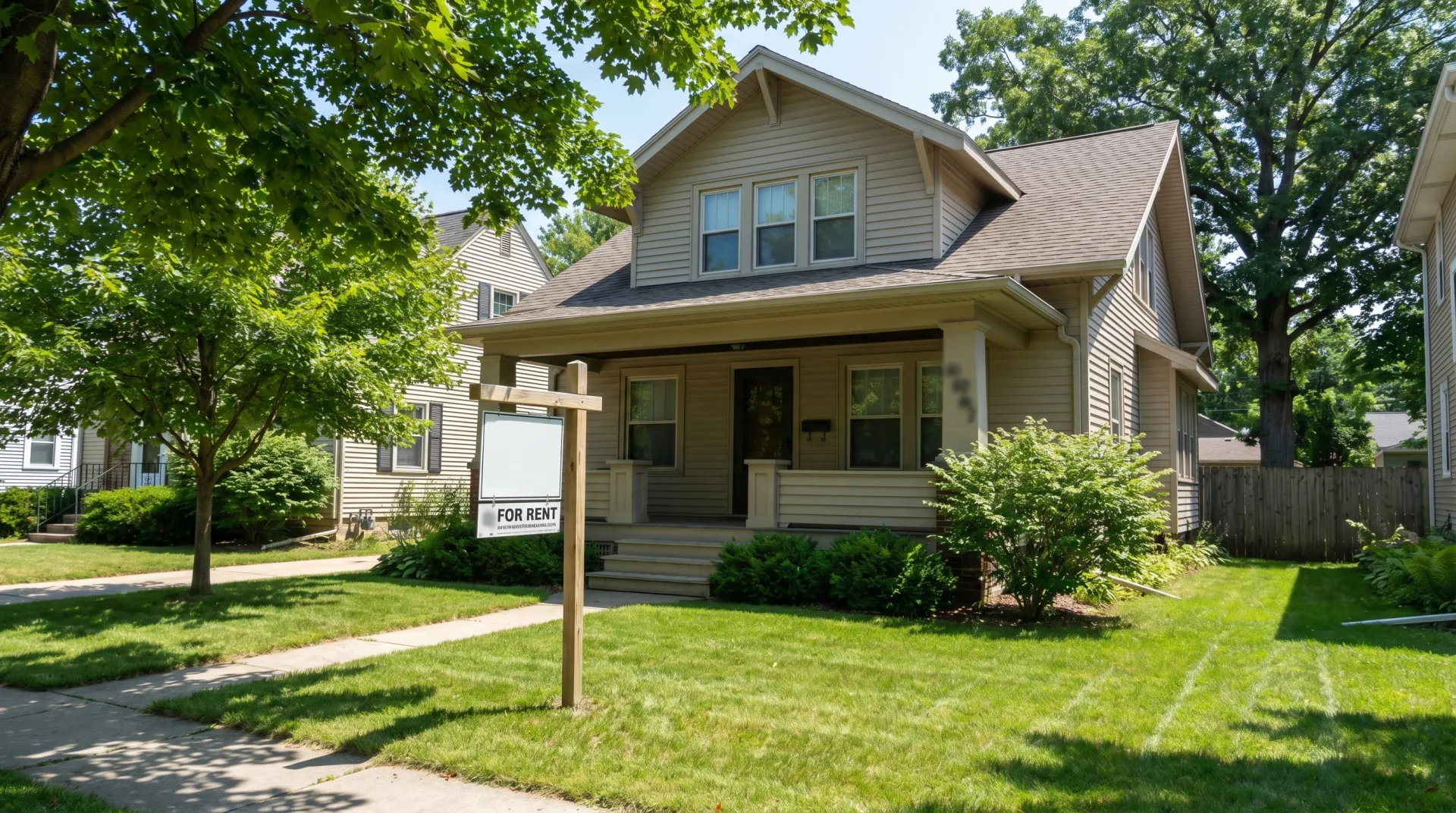
Shawmut Hills offers an investment profile shaped by its mid-century housing stock, accessible price point, and high homeownership rate. The median sale price of approximately $250,000 provides more living space and lot size per dollar than comparably priced east-side neighborhoods. Property values have been increasing approximately 5% year-over-year, reflecting steady demand.
The neighborhood's purely residential character, with no commercial activity within its boundaries, and its single-family housing stock mean that investment strategies here center on buy-and-renovate for owner-occupancy or long-term rental. Rental inventory is limited, consistent with the high homeownership rate. The broader 49504 ZIP code has a median home value of $243,500, below the national median, indicating potential for buy-and-hold investment at accessible price points.
Buyers near the western edge should verify whether a specific property is within the City of Grand Rapids or the City of Walker, as the boundary runs along the neighborhood's western side. The two municipalities have different property tax rates and school districts (GRPS versus Kenowa Hills).
Important for short-term rental investors: Grand Rapids requires a Home Occupation Class C License for short-term rentals, with significant restrictions: the property must be the owner's principal residence, the owner must be present during rental periods, rentals are limited to one room with a maximum of two adult guests, and entire-home rentals are prohibited. Only approximately 200 STR licenses are issued citywide per year. Investors should underwrite to long-term rental income only.
Nathan's Take
The local read.
Shawmut Hills is a different kind of Grand Rapids neighborhood. If you have been looking at the city's east-side neighborhoods, Heritage Hill, Baxter, Eastown, and the price-per-square-foot numbers feel tight, Shawmut Hills offers a reset. A median price of around $250,000 buys substantially more house and lot than the same money on the east side. The tradeoff is location: you are 10 to 15 minutes from downtown instead of 5, and you are trading walkability to restaurants and entertainment for a suburban feel within city limits.
The single best amenity here is Blandford Nature Center, 264 acres of trails, forests, and wetlands directly adjacent to the residential streets. No other Grand Rapids neighborhood can claim anything comparable. If access to nature and outdoor recreation is a priority, this adjacency is hard to beat.
The mid-century housing stock (1950s through 1970s) means solid brick construction, hardwood floors, and functional layouts, but buyers should expect to invest in updates. Kitchens, bathrooms, and mechanical systems in many of these homes have not been renovated since original construction. Budget for renovation when evaluating the lower end of the price range.
One critical detail: the western edge of Shawmut Hills borders the City of Walker, which has different property tax rates and a different school district (Kenowa Hills instead of GRPS). The boundary is not always obvious on the ground. Verify the exact municipal jurisdiction and school district for any property you are considering, especially on the west side of the neighborhood.
Location
Shawmut Hills on the map
Boundary of the Shawmut Hills area. Drag to explore the surrounding neighborhoods and commute corridors.
Listings
Browse homes in Shawmut Hills.
See what is currently listed in Shawmut Hills and the surrounding area.
Resources
Helpful links
GRPS school site with calendar, programs, and contact information (Pre-K through 8th grade)
264-acre nature center with trails, wildlife programs, and visitor center adjacent to the neighborhood
District homepage, school directory, and enrollment information
Determine which GRPS school serves a specific address in Shawmut Hills
GRPL main site with locations, hours, and programs
Bus schedules, route maps, and fare information for public transit
Bicycle route maps for the Grand Rapids area
Visitor and resident guide with dining, events, and neighborhood profiles
Official municipal site including property tax estimator and planning resources
Airport information, driving directions, and flight status
More in Grand Rapids
Other neighborhoods in Grand Rapids.
Shawmut Hills is one of several neighborhoods in Grand Rapids. Each has its own character and price range.
Questions about Shawmut Hills?
Ask Nathan.
Send a note with what you are looking for in Shawmut Hills, price range, timeline, school or commute priorities, and Nathan will follow up.
Contact
Get in touch
Send a message and Nathan will get back to you within one business day.
Message received
Thank you. Nathan will be in touch soon.
Nathan typically responds within one business day.
— Nathan Strodtbeck, REALTOR®