John Ball Park
Where the zoo meets home
Neighborhood · Kent County
John Ball Park at a glance
A quiet west-side neighborhood centered around a 140-acre zoo and park, with Craftsman homes, Bridge Street dining, and easy downtown access.
- Median Price
- $295,000
- Median DOM
- 12 days
- Walk Score
- 50
- Population
- 3,508
- School District
- Grand Rapids Public Schools
- Tax Millage
- 33.63
Market data as of 2026-03. Population: Niche, vintage approximately 2020 ACS estimates.
Overview
Overview
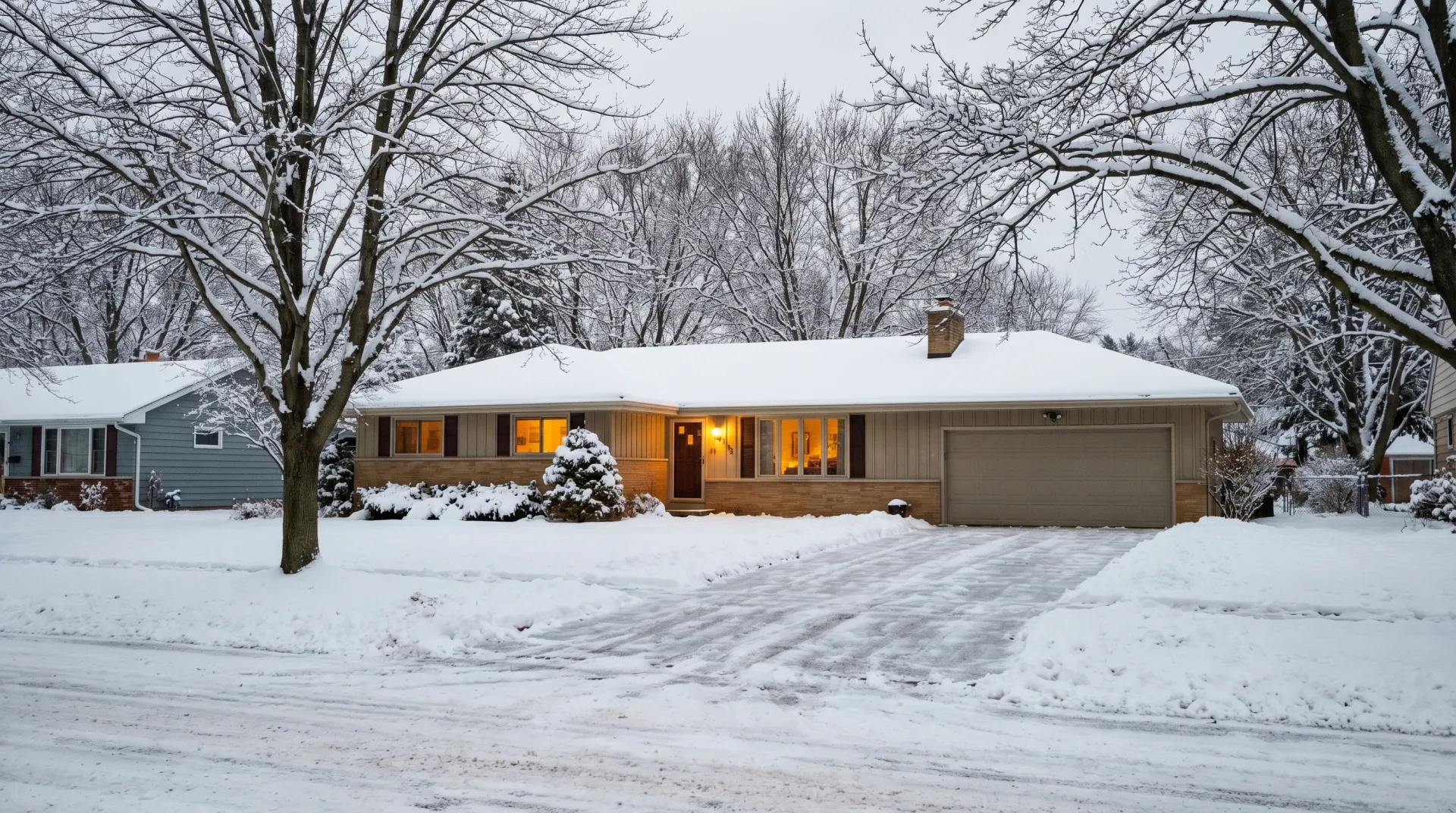
John Ball Park is a residential neighborhood on Grand Rapids' west side defined by its namesake park and zoo, which together occupy approximately 140 acres of green space at the neighborhood's heart. The John Ball Zoo, one of the region's most-visited attractions with over 2,000 animals, draws visitors year-round, and its presence gives the surrounding residential streets a distinctly park-adjacent character: mature trees, rolling terrain in the area near the zoo, and a sense of being embedded in green space unusual for an urban neighborhood.
The residential streets surrounding the zoo feature a mix of housing eras and styles. Tree-lined blocks contain Craftsman homes and American Foursquares from the 1920s alongside brick ranch homes from the 1950s and 1960s, creating a varied but cohesive residential streetscape. Fulton Street West runs through the neighborhood as a primary east-west connector, with modest commercial activity at its intersections. The Bridge Street corridor at the neighborhood's northern edge has experienced significant commercial investment and now features restaurants, breweries, and entertainment venues within a short distance of John Ball Park's residential blocks.
The overall pace of the neighborhood is quiet and residential, with the zoo and park serving as the primary activity center. Putt Putt's Bar and Joey's Tavern operate as longstanding neighborhood gathering spots with outdoor patios and live music. Rise Authentic Baking Co. offers a local coffee and pastry option. Practical amenities are concentrated along Fulton Street, where Great Lakes Ace Hardware, Family Dollar, and Frank's Market Butcher Shop serve daily needs.
Real Estate
Real Estate
John Ball Park's real estate market benefits from the unique amenity of a 140-acre zoo and park at the neighborhood's center. The median sale price sits around $280,000 to $310,000, comparable to the Grand Rapids citywide median. The price range runs from approximately $175,000 to $350,000 for most sales, with higher-end properties reflecting larger lots or proximity to the park.
What to expect:
- Single-family homes: 1,000 to 2,400 sq ft, with most homes in the 1,200 to 1,800 sq ft range. Craftsman bungalows, American Foursquares, brick ranch homes, and Cape Cod styles
- Lot sizes: Compact to moderate urban lots, typically 4,500 to 7,000 sq ft. Properties closer to the zoo may feature larger lots with more irregular shapes following the park's topography
- Duplexes: Present in limited numbers throughout the neighborhood
- New construction: Minimal within the established neighborhood. New housing units added along commercial corridors as part of broader West Side development
- HOA prevalence: Uncommon. The majority of properties are standalone single-family homes without HOA governance
With a median of approximately 12 days on market (compared to the national average of 49 days), buyer demand is strong. Inventory is limited, with only a handful of homes typically listed at any given time.
Architecture
Architecture
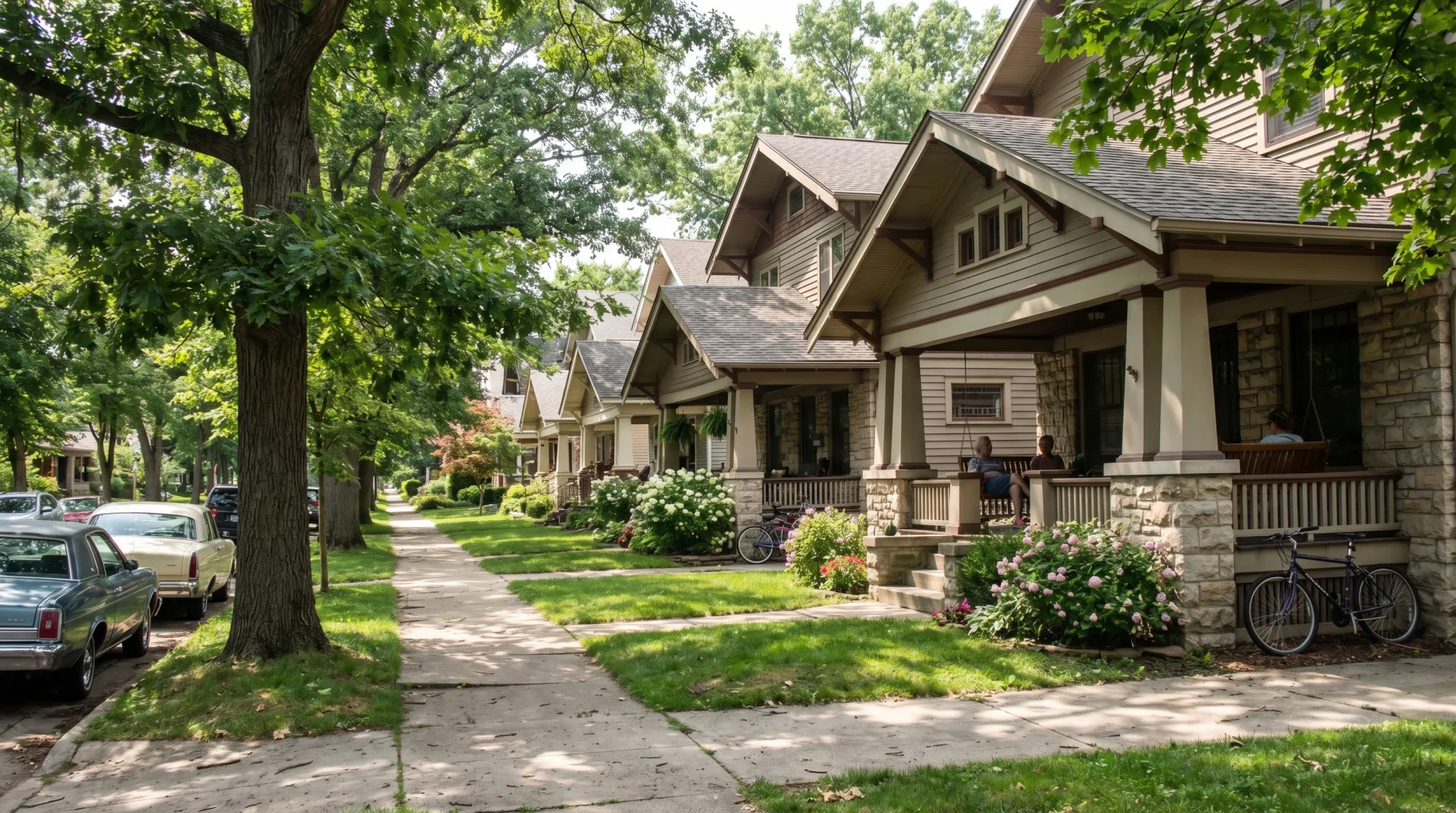
Craftsman bungalow, American Foursquare, brick ranch, Cape Cod, and some Dutch Colonial Revival influences define the housing stock, reflecting the broader West Michigan vernacular of the early to mid-20th century. The housing spans multiple construction periods: Arts and Crafts and Craftsman-era homes from the 1910s and 1920s are interspersed with mid-century brick ranch homes from the 1950s and 1960s. Some newer construction and renovated properties date to the 2000s and later.
Typical lots are compact to moderate urban parcels, generally 4,500 to 7,000 square feet. Properties closer to the zoo and park may feature larger lots with more irregular shapes following the park's topography. Homes range from approximately 1,000 to 2,400 square feet, with most in the 1,200 to 1,800 square foot range.
John Ball Park does not contain a formally designated National Register Historic District or local historic district designation. Craftsman homes frequently feature wide front porches, tapered columns on stone piers, exposed rafter tails, and original woodwork. Brick ranch homes reflect the solid construction and clean lines of post-WWII residential building in West Michigan.
Schools
Schools
John Ball Park falls entirely within the Grand Rapids Public Schools (GRPS) district. GRPS uses an attendance-area-based assignment system; the specific school serving a John Ball Park address can be determined using the GRPS Attendance Area Finder tool online.
Harrison Park Academy (PK-8, approximately 605 students) is a primary school serving the John Ball Park area. Shawmut Hills School (K-8) also serves John Ball Park students with caregiver engagement programs. Harrison Park Academy provides K-8 education within a single building. Union High School is accessible to John Ball Park residents.
GRPS participates in Schools of Choice, meaning residents can apply to attend theme schools and specialized programs beyond their assigned neighborhood school. Grand Rapids Christian Schools operates campuses across the city. West Michigan Academy of Environmental Science is a charter school option in the area.
Dining
Dining
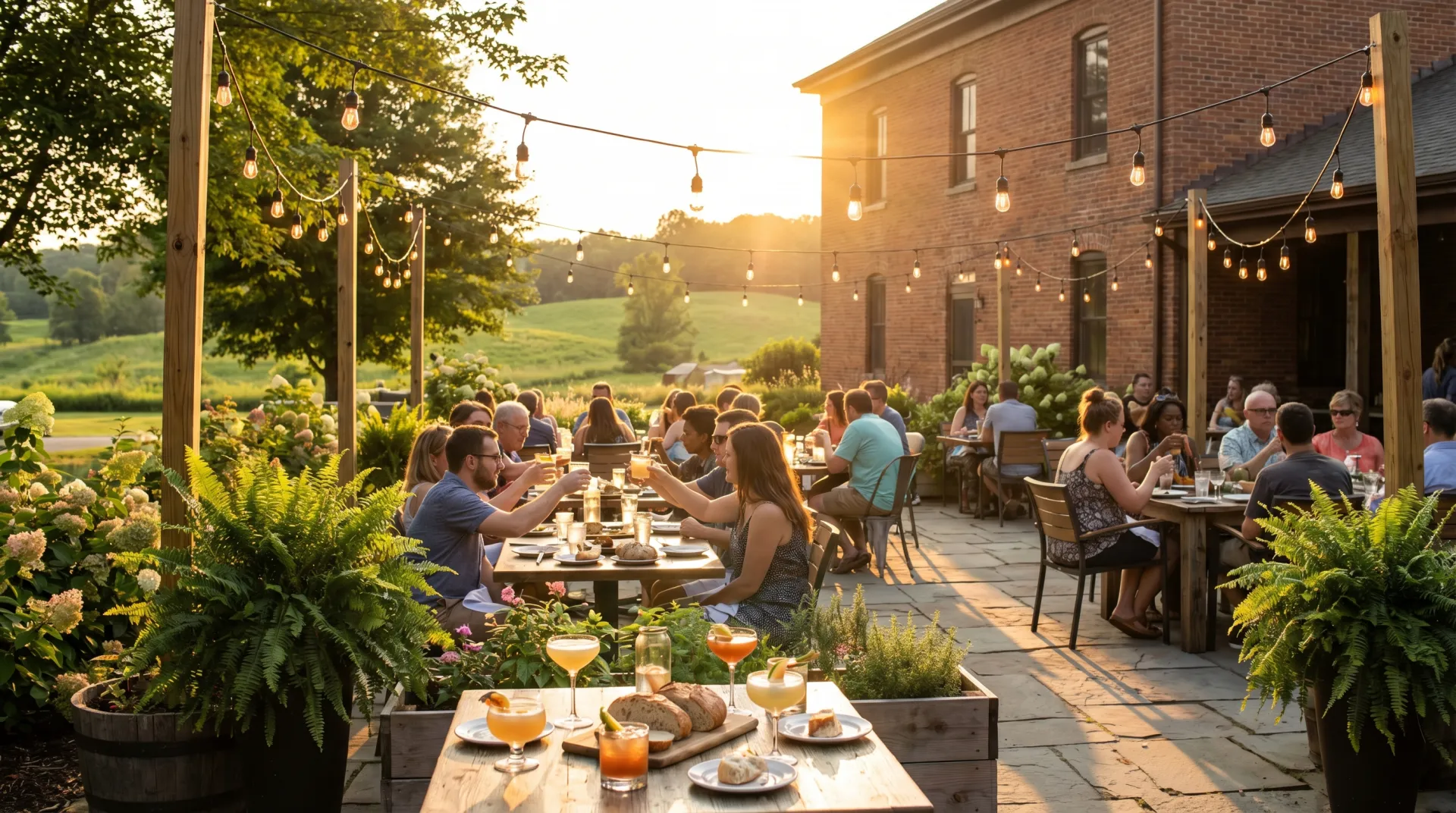
John Ball Park's dining options are anchored by the Bridge Street NW corridor at the northern boundary, which has become a destination with restaurants, breweries, and entertainment venues, and Fulton Street West running through the neighborhood.
Butcher's Union, near John Ball Zoo on Bridge Street, serves a meat-forward menu with Michigan-sourced steaks, stroganoff, meatloaf, and roasted chicken, plus a whiskey bar. Putt Putt's Bar is a neighborhood bar with an outdoor patio and live music nights. Joey's Tavern offers classic bar food with an outdoor patio. Rise Authentic Baking Co. is a local coffee shop with freshly made vegan and gluten-free pastries. Bitter End Coffee Co. serves as a neighborhood gathering spot.
The Mitten Brewing Co. (527 Leonard St NW in the adjacent West Grand neighborhood) occupies a restored 1889 firehouse with baseball-themed craft brewery and handmade pizzas. Frank's Market Butcher Shop on Fulton Street provides specialty meats and groceries. Great Lakes Ace Hardware and Family Dollar serve household needs on Fulton Street. For full-service grocery shopping, the Meijer and Aldi locations in Standale (approximately 4 miles west on Lake Michigan Drive) are the primary options.
Parks
Parks and Recreation
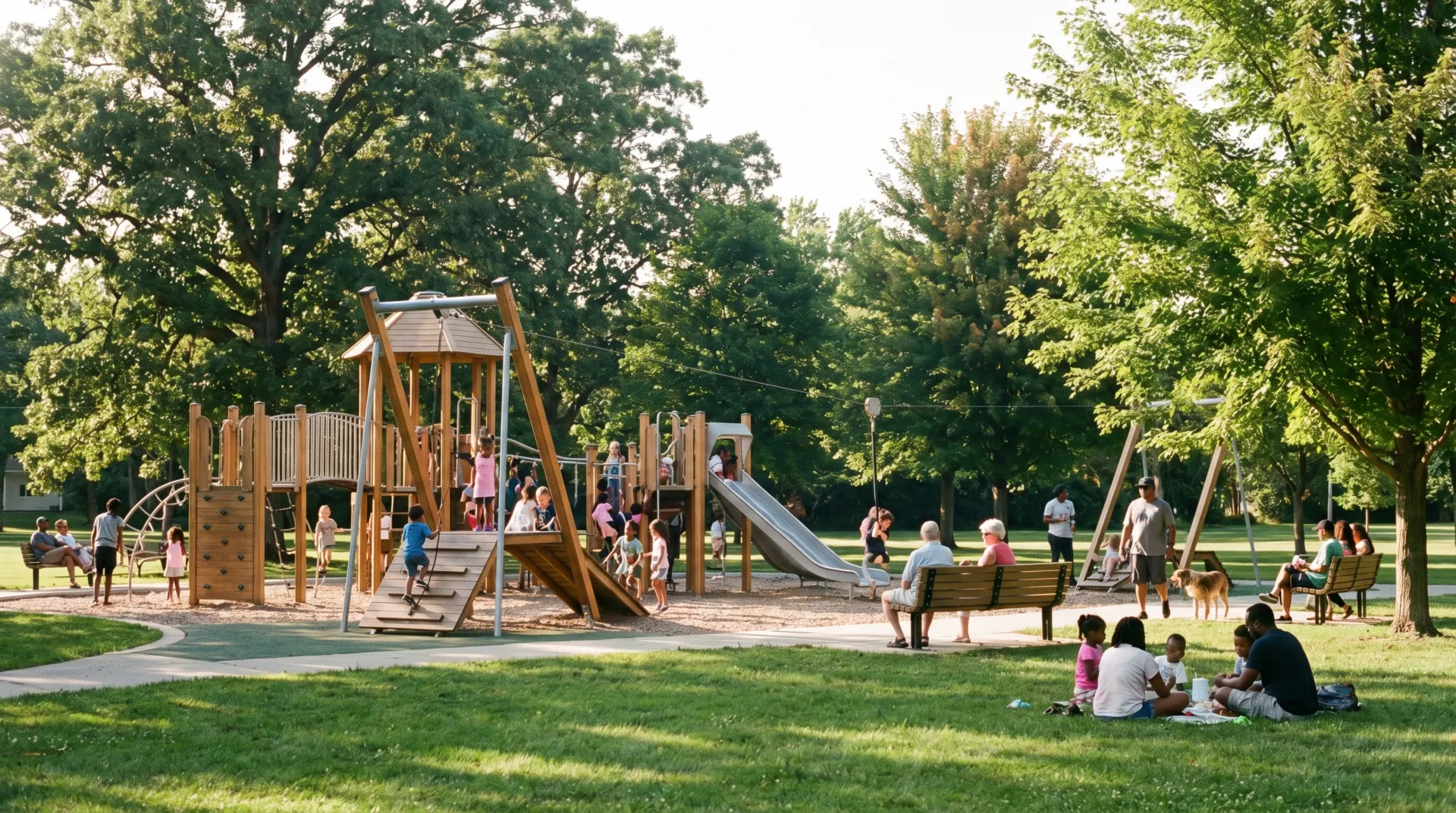
John Ball Park and Zoo (approximately 140 acres combined) is the neighborhood's defining amenity. The zoo houses over 2,000 animals and is open seasonally from March through November. Park areas include wooded walking trails, picnic areas, playgrounds, and natural areas with rolling terrain. The park land was donated by John Ball upon his death in 1884 (original 40 acres, later expanded to 140 acres by the City). Zoo admission is $21.95 for adults and $16.95 for youth (3 to 12), seniors (62+), college students with ID, and active/veteran military with ID. The 2026 season runs from March 20 through late November.
Westown Commons Park (752 Watson SW) features a collaborative herb garden maintained by John Ball Area Neighbors, Friends of Grand Rapids Parks, and neighborhood volunteers. John Ball Park contains wooded walking trails through the park's natural areas, offering a semi-rural trail experience within the city. The broader Grand Rapids trail network is accessible via connections to downtown paths and the Kent Trails system. The Grand River runs approximately 1 mile east of the neighborhood center, accessible via downtown paths.
Getting Around
Transportation
John Ball Park sits approximately 1.0 to 2.0 miles from the center of downtown Grand Rapids, a 5 to 10 minute drive.
Public transit is served by The Rapid, with bus routes along Fulton Street and Bridge Street. The Laker Line BRT runs along Lake Michigan Drive / West Fulton Street, connecting to downtown Grand Rapids and Grand Valley State University, operating every 10 minutes during peak weekday periods. Fixed-route buses operate at 30 to 60 minute headways. The nearest transit hub is Rapid Central Station (250 Grandville SW), approximately 1.5 miles east.
Bike infrastructure connects to the broader Grand Rapids cycling network with 80+ miles of bike lanes citywide. The Greater Grand Rapids Bicycle Coalition maintains maps of area routes.
Major road access includes Fulton Street West (primary east-west arterial), Bridge Street NW (northern boundary, connects to downtown), and Lake Michigan Drive (connects west to Standale and Walker). US-131 runs along the eastern boundary, providing highway access north and south. Gerald R. Ford International Airport is approximately 13 miles southeast, a 16 to 20 minute drive. Walk Score rates the neighborhood 50 ("Somewhat Walkable").
Community
Community
John Ball Park is a neighborhood within the City of Grand Rapids, which operates under a council-manager form of government. The population is approximately 3,500.
John Ball Area Neighbors (JBAN) is the neighborhood organization, operating from 1120 Bridge St NW (Lincoln Park Lodge). The organization focuses on quality of life, community engagement, and positive growth.
The nearest Grand Rapids Public Library branch is the West Leonard Branch at 1017 Leonard St NW in the adjacent West Grand neighborhood. The GRPL Main Library downtown is approximately 2 miles east.
JBAN hosts monthly Community Meetings on the second Wednesday of each month at 6:00 PM, featuring city officials and community updates. The Perennial Exchange (spring/summer) allows neighbors to share perennial plants and seed packets for neighborhood beautification. JBAN operates a community garden at 700 Butterworth (started May 2023) and a collaborative herb garden at Westown Commons Park. John Ball Zoo hosts seasonal events including the Grand Rapids Lantern Festival and seasonal programming throughout the year.
History
History
The John Ball Park neighborhood was established in the 1830s and officially became part of Grand Rapids in the 1850s. It is named for John Ball (1794 to 1884), a pioneer, land speculator, and philanthropist who settled in Grand Rapids in 1836. Upon his death in 1884, Ball bequeathed 40 acres of his land to the City of Grand Rapids with the stipulation that it be used as a public park. The City subsequently purchased surrounding land to expand the park to approximately 140 acres.
The City established John Ball Park Zoo within the park grounds, which has grown from a small menagerie to a modern zoological facility housing over 2,000 animals across 23 acres. The neighborhood surrounding the park developed through the late 19th and early 20th centuries as Grand Rapids expanded westward. Sacred Heart Catholic Parish, established nearby, served as a spiritual and social anchor for the surrounding residential community.
The neighborhood has maintained a continuous residential identity for over 150 years, with housing stock spanning from the 1890s through the present day. John Ball Park's identity has been defined by its namesake zoo and park since the late 1800s, and the 140-acre green space at the neighborhood's center distinguishes it from surrounding West Side neighborhoods.
Investment
Investment Potential
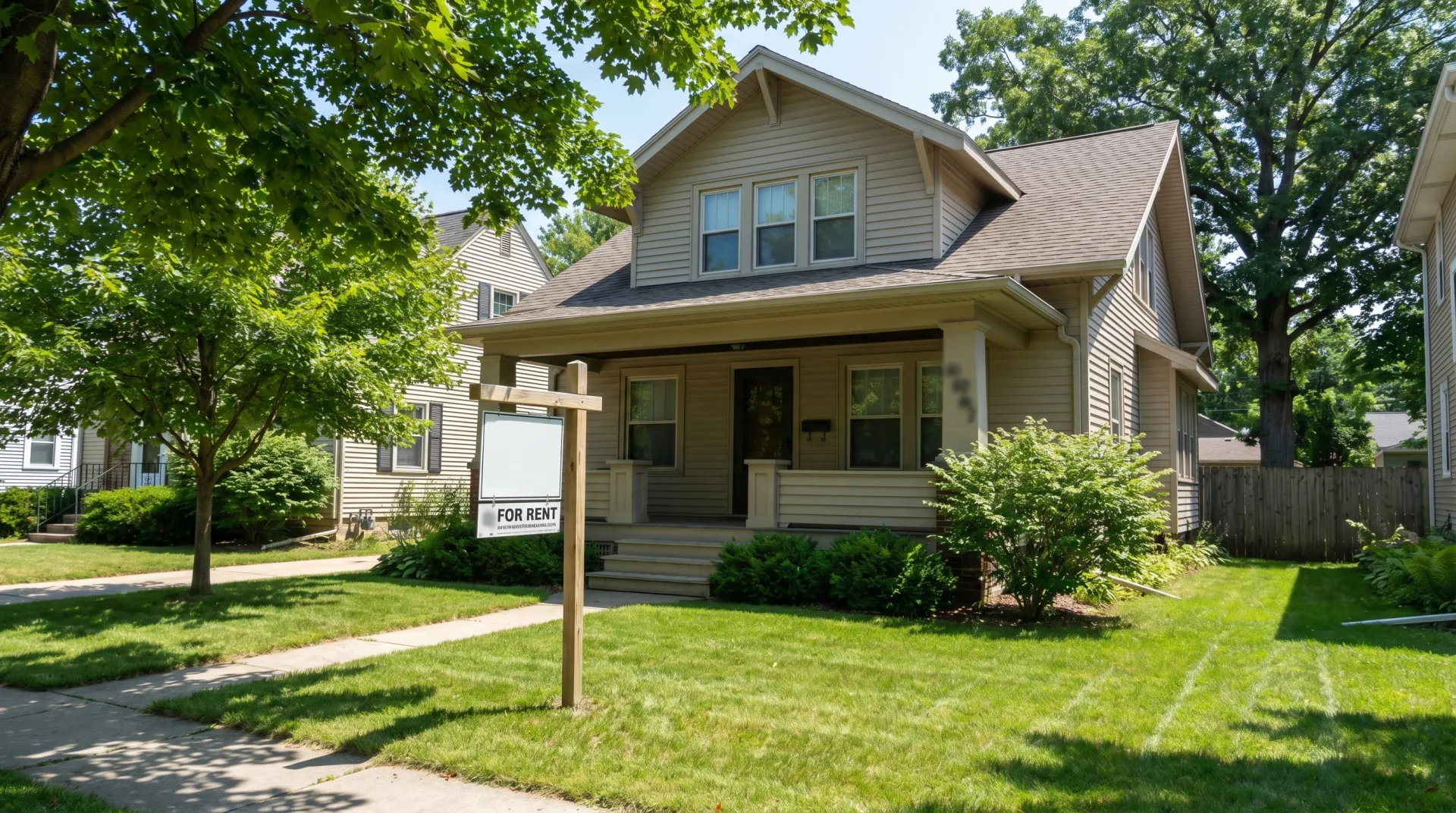
John Ball Park's investment profile is shaped by two factors: its proximity to downtown Grand Rapids (1 to 2 miles) and the zoo as a major regional attraction that supports steady rental demand. Median sale prices of $280,000 to $310,000 are comparable to the citywide median, with the 12-day median time on market indicating particularly strong buyer demand.
Bridge Street's transformation into a dining and entertainment corridor has added commercial amenity value to the neighborhood's northern edge, benefiting properties closest to Bridge Street. This is a relatively recent development (post-2015) with continued investment underway. Grand Rapids' broader zoning updates may facilitate additional residential and commercial development along the neighborhood's corridors.
The housing stock is mixed in age and condition: 1920s Craftsman homes may require significant systems updates, while 1950s to 1960s brick ranch homes typically have more updated infrastructure. Average rents in the broader Westside area are approximately $1,417/month.
Important for short-term rental investors: Grand Rapids requires a Home Occupation Class C License and Special Land Use Permit for short-term rentals, with significant restrictions: the property must be the owner's principal residence, the owner must be present during rental periods, rentals are limited to one room with a maximum of two adult guests, and entire-home rentals are prohibited. Approximately 200 STR licenses are issued citywide per year. Investors should underwrite to long-term rental income only.
Nathan's Take
The local read.
John Ball Park's defining feature is the 140-acre zoo and park at its center. Homes adjacent to the park benefit from proximity to a major regional amenity and green space that supports long-term appreciation. But buyers should also be aware of increased foot and vehicle traffic during zoo season (March through November) and during events like the Grand Rapids Lantern Festival. Visit the neighborhood during peak zoo hours before purchasing to understand what that looks like on your specific block.
Median sale prices of $280,000 to $310,000 are comparable to the citywide median, but the 12-day median time on market signals particularly strong buyer demand. Properties listed competitively tend to sell fast here. The limited inventory, with only a handful of homes typically available, means you need to be ready to act.
The housing stock is mixed in age, and that matters for your inspection budget. 1920s Craftsman homes may have knob-and-tube wiring and galvanized plumbing that need replacement. 1950s to 1960s brick ranch homes typically have more updated infrastructure. Plan your inspection findings proportional to the era of construction.
Bridge Street's transformation into a dining and entertainment corridor has added real commercial value to the northern edge of the neighborhood, and this investment is continuing. For investors, the zoo-adjacent location provides a marketing advantage for long-term rental properties, but remember the same restrictive STR ordinance applies citywide.
Location
John Ball Park on the map
Boundary of the John Ball Park area. Drag to explore the surrounding neighborhoods and commute corridors.
Listings
Browse homes in John Ball Park.
See what is currently listed in John Ball Park and the surrounding area.
Resources
Helpful links
Neighborhood organization with meetings, events, community gardens, and resources
Zoo hours, admission, events, and membership information
District homepage, school directory, and enrollment information
Determine which GRPS school serves a specific address
Bus schedules, route maps, and fare information for public transit
GRPL locations, hours, and programs
Visitor and resident guide with dining, events, and neighborhood profiles
Official municipal site including property tax estimator and planning resources
Airport information, driving directions, and flight status
More in Grand Rapids
Other neighborhoods in Grand Rapids.
John Ball Park is one of several neighborhoods in Grand Rapids. Each has its own character and price range.
Questions about John Ball Park?
Ask Nathan.
Send a note with what you are looking for in John Ball Park, price range, timeline, school or commute priorities, and Nathan will follow up.
Contact
Get in touch
Send a message and Nathan will get back to you within one business day.
Message received
Thank you. Nathan will be in touch soon.
Nathan typically responds within one business day.
— Nathan Strodtbeck, REALTOR®