Heartside
The city's creative core
Neighborhood · Kent County
Heartside at a glance
Grand Rapids' urban arts and entertainment district with a National Register historic warehouse district, loft living, and a Walk Score of 92.
- Median Price
- $620,367
- Walk Score
- 92
- School District
- Grand Rapids Public Schools
- Tax Millage
- 33.63
Market data as of 2026-03.
Overview
Overview
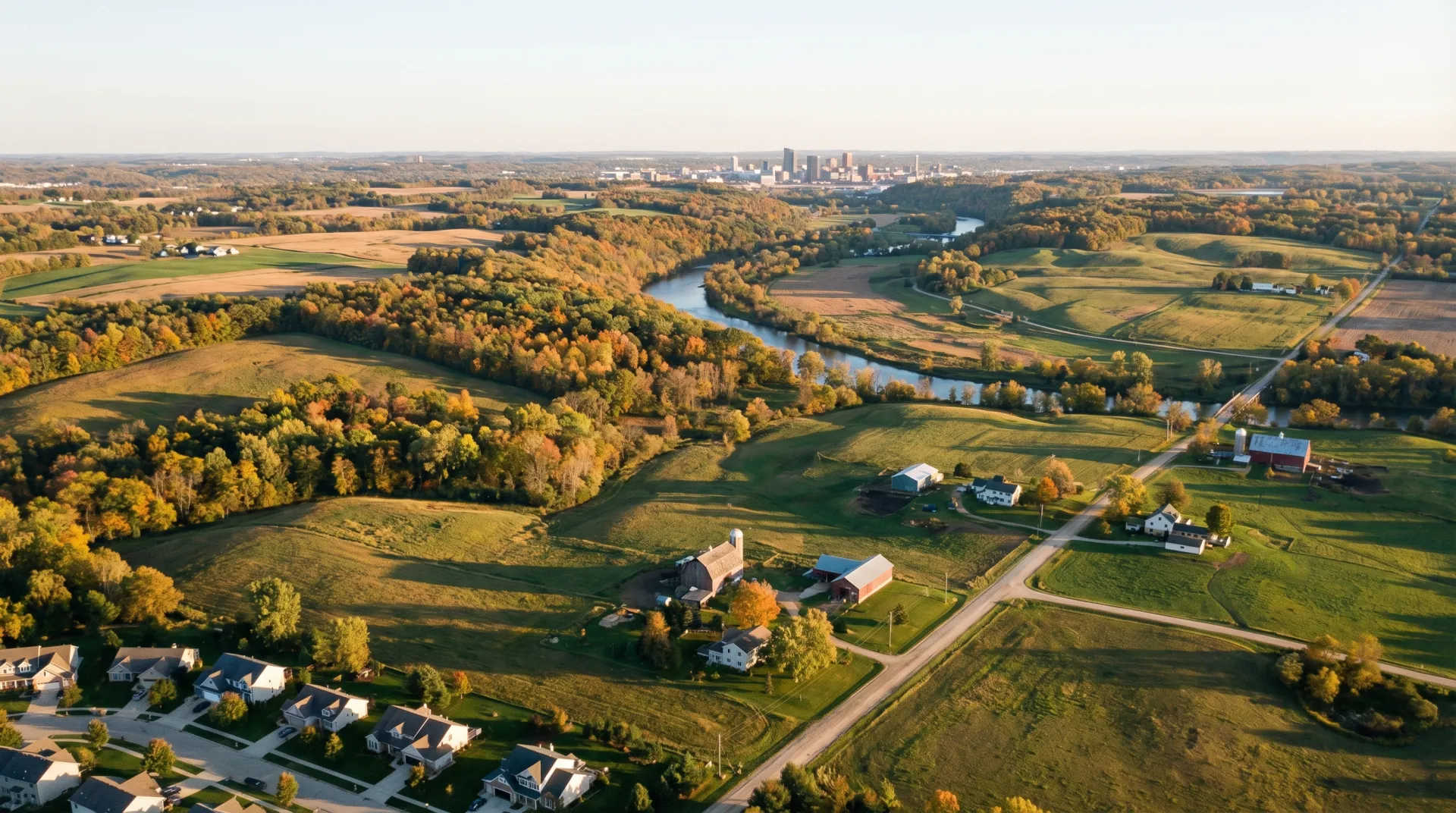
Heartside is Grand Rapids' most urban neighborhood, situated directly south of the central business district and functioning as the city's arts, entertainment, and nightlife center. The built environment is defined by late 19th and early 20th century commercial warehouse and wholesale buildings, many of which have been adaptively reused as loft apartments, art galleries, restaurants, and entertainment venues. The streetscape is dense and vertical: multi-story brick buildings with decorative stone and terra-cotta trim stand shoulder to shoulder along the primary avenues, creating an urban canyon effect distinct from the residential neighborhoods surrounding it.
South Division Avenue, known as the "Avenue for the Arts," runs through the heart of the neighborhood and is lined with artist-run galleries, studios, and boutiques that host monthly gallery walks and seasonal markets. The Grand Rapids Downtown Market at 435 Ionia Ave SW anchors the neighborhood's food scene with 21 indoor food merchants and restaurants open seven days a week. Major entertainment venues cluster in and around Heartside, including the Van Andel Arena (10,834-seat arena, home of the Grand Rapids Griffins hockey team), The Intersection and The Stache (live music venues), The Pyramid Scheme (bar, live music venue, and pinball arcade), and Founders Brewing Co. (one of the largest craft breweries in the United States).
Despite its entertainment and commercial density, Heartside also contains significant residential development. Adaptive reuse loft conversions such as Box Board Lofts and Firestone Lofts, along with new-construction apartment buildings including Studio Park Tower, have added hundreds of residential units. The housing stock is almost entirely rental apartments, condominiums, and loft conversions rather than traditional single-family homes. Heartside Park (301 Ionia Ave SW) provides a 3-acre green retreat with a playground, splash pad, basketball court, picnic shelter, and space for community events.
Real Estate
Real Estate
Heartside's real estate market is unlike any other Grand Rapids neighborhood. The housing stock is almost exclusively condominiums, loft conversions, and apartment units rather than traditional single-family homes. The median sale price of approximately $620,000 reflects the luxury, new-construction end of the market (Studio Park Tower, adaptive reuse lofts), but the range is wide.
What to expect:
- Loft conversions: Adaptive reuse of historic warehouse and commercial buildings into residential units. Exposed brick walls, wooden beams, concrete floors, and industrial-scale ceiling heights are common design elements
- New-construction condos and apartments: Studio Park Tower and similar developments offer modern units from studios (approximately 500 sq ft) to penthouses (2,000+ sq ft). Most units fall in the 700 to 1,200 sq ft range
- Price range: Smaller units in older conversions start around $200,000. Premium penthouses in newer developments exceed $1,000,000
- Single-family homes: Virtually none exist in the neighborhood
- HOA prevalence: Common. Condominium developments carry HOA fees that vary by building and amenity package
Rental rents are significantly above the citywide average: one-bedrooms average $1,701/month, two-bedrooms average $2,658/month, and studios average $1,574/month. New residential development (Studio Park Tower, adaptive reuse projects) has added inventory to a neighborhood that had very little residential stock before the 2010s.
Architecture
Architecture
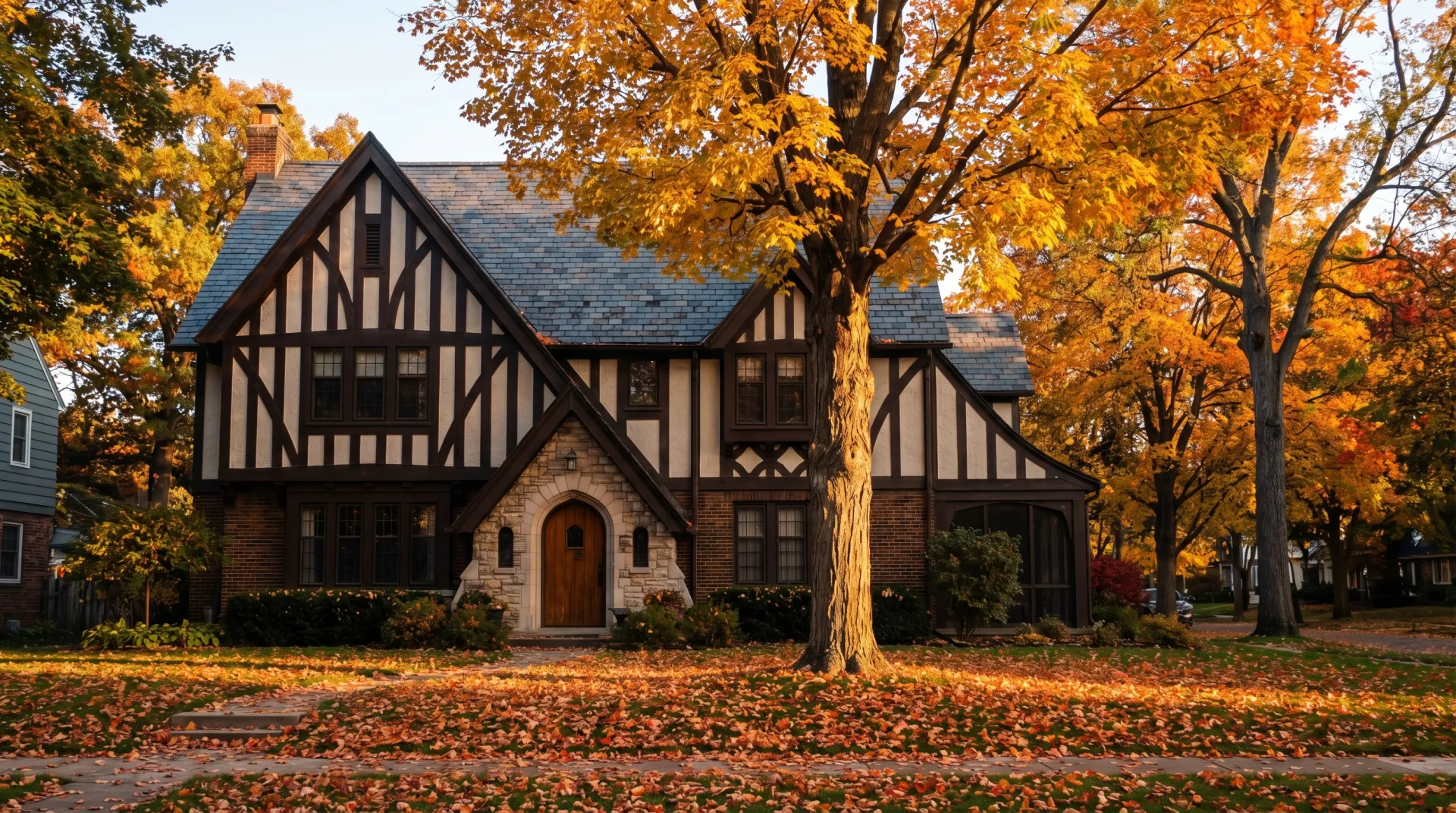
Heartside's architecture is defined by its late 19th and early 20th century commercial warehouse heritage. Commercial Italianate, Richardsonian Romanesque, and early 20th century warehouse/industrial styles dominate the historic fabric. Newer additions include contemporary mid-rise and high-rise residential and mixed-use buildings. The Heartside Historic District's contributing buildings date primarily from the 1870s through the 1920s, coinciding with Grand Rapids' industrial growth and the arrival of the Grand Rapids and Indiana Railroad. Post-2010 new construction accounts for the neighborhood's contemporary residential towers.
Residential units range from approximately 500 square feet (studios) to 2,000+ square feet (penthouses and large lofts), with the majority in the 700 to 1,200 square foot range. Properties are measured in building footprints rather than traditional residential lot sizes, as Heartside is an urban commercial district.
The Heartside Historic District was listed on the National Register of Historic Places in 1982, encompassing 55 contributing buildings spanning 250 acres and recognized as one of the finest groupings of late 19th and early 20th century warehouses and wholesale business blocks in Michigan. It is also a locally designated historic district. Historic buildings feature decorative brick, stone, and terra-cotta trim, large industrial windows, cast-iron storefronts, and Romanesque arched entries. The Grand Rapids Downtown Market (2013) features contemporary design with large glass walls and a rooftop greenhouse.
Schools
Schools
Heartside is primarily a commercial and entertainment district with a limited residential population relative to other neighborhoods. It falls within the Grand Rapids Public Schools (GRPS) district. GRPS uses an attendance-area-based assignment system; the specific school serving a Heartside address can be determined using the GRPS Attendance Area Finder tool online.
Congress Elementary and other downtown-area schools serve the district. Innovation Central High School and City High/Middle School are among the options accessible to downtown-area residents. GRPS participates in Schools of Choice, meaning residents can apply to attend theme schools and specialized programs.
Grand Rapids Community College (GRCC) has its main campus adjacent to Heartside at 143 Bostwick Avenue NE. Western Michigan University and Grand Valley State University both operate downtown satellite campuses in close proximity, making higher education institutions directly accessible from the neighborhood.
Dining
Dining
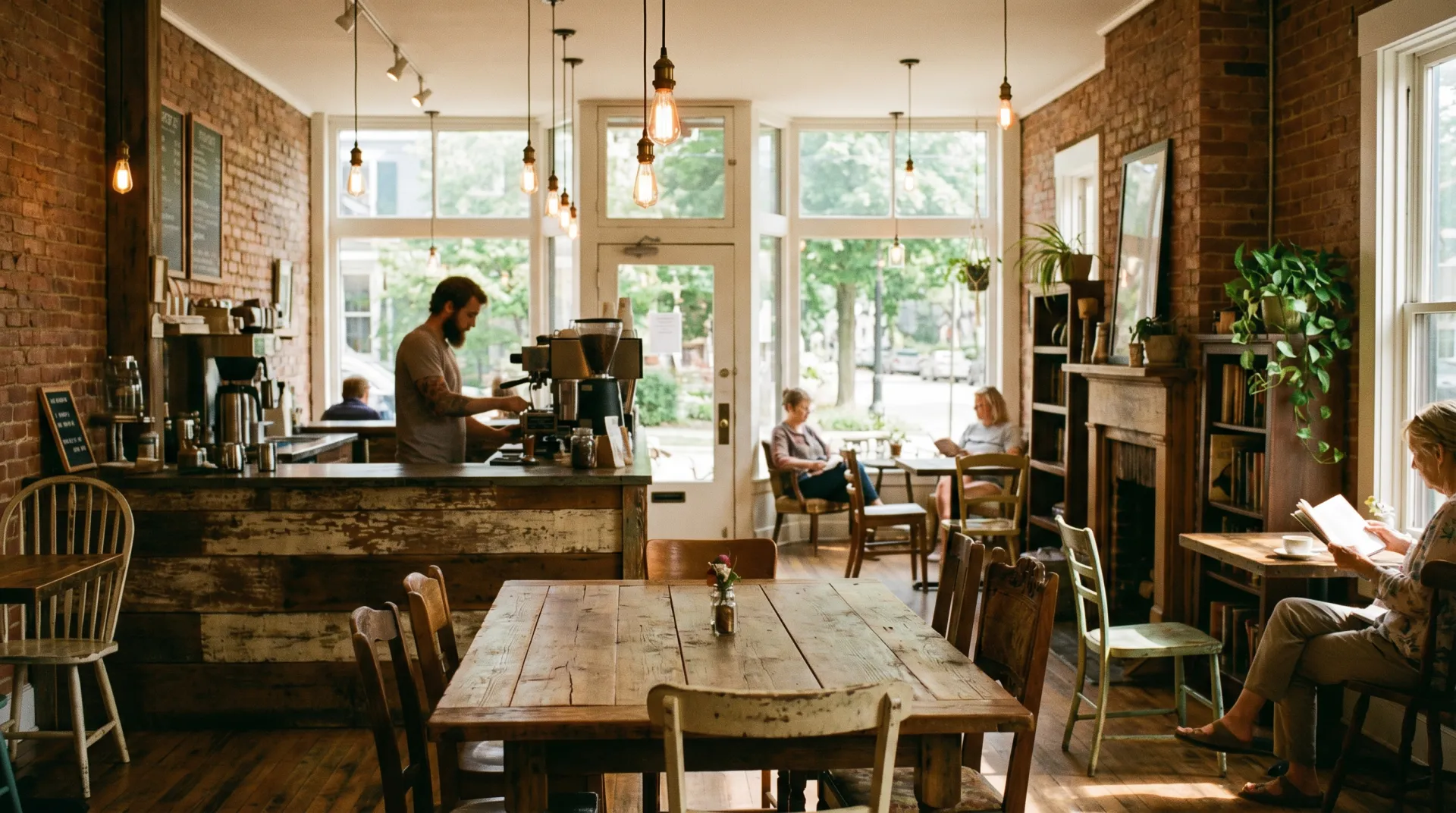
Heartside is itself a dining and entertainment district. South Division Avenue ("Avenue for the Arts") features art galleries, studios, and boutiques. Ionia Avenue SW hosts the Grand Rapids Downtown Market and multiple restaurants. Grandville Avenue SW includes Founders Brewing Co.
San Chez (38 Fulton St W) serves European, Mediterranean, and Latin American tapas in a laid-back, artful atmosphere with cocktails. Scholar (11 Ionia Ave SW) offers classic early American dishes for a modern sensibility in a historic Heartside building, including bison meatballs, crab cakes, and cedar plank salmon. Rak Thai inside the Grand Rapids Downtown Market serves modern Thai dishes with reimagined appetizers and cocktails. Social House offers New American pub fare with Sunday brunch and seasonal patio. Founders Brewing Co. (235 Grandville Ave SW), one of the largest craft breweries in the U.S., operates a taproom open Monday through Saturday 11am to 2am and Sunday 12pm to 12am with a full food menu.
The Grand Rapids Downtown Market (435 Ionia Ave SW) houses 21 indoor food merchants under one roof, open seven days a week. It functions as the primary food shopping destination with multiple vendors, fresh produce, and specialty items. For full-service grocery, the nearest options include Family Fare on Leonard Street and Bridge Street Market.
Parks
Parks and Recreation
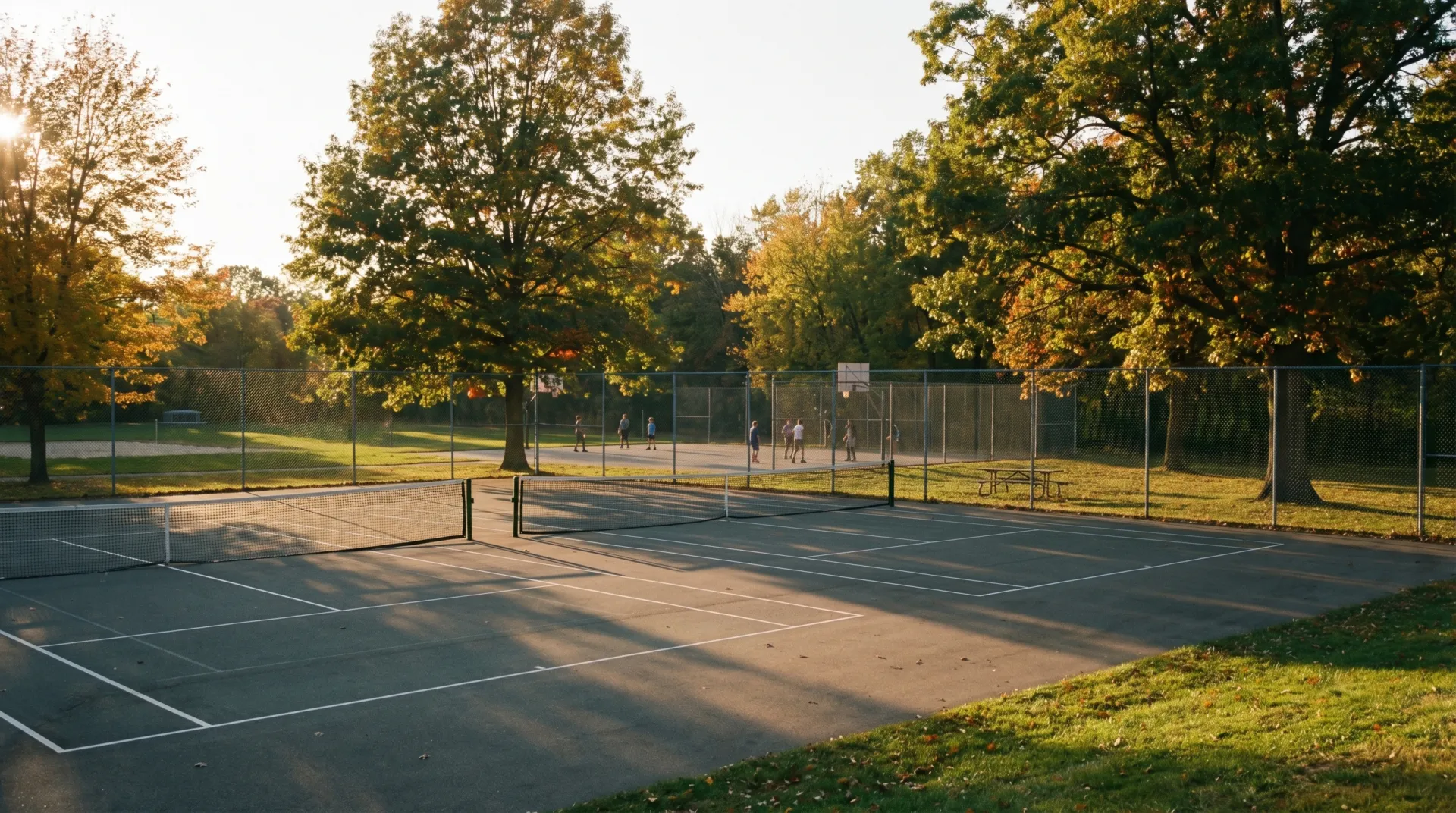
Heartside Park (301 Ionia Ave SW, 3 acres) is the neighborhood's green retreat, featuring a playground, interactive splash pad (summer), basketball court (resurfaced with mural), picnic shelter with tables, an all-season restroom facility (opened spring 2023), drinking fountain, sidewalk improvements, and power pedestal for community events. The park is open 24/7.
The Grand River runs along the western edge of Heartside, accessible via downtown riverfront paths. The Heartside Park splash pad provides summer water recreation. The Grand Rapids Whitewater restoration project (Lower Reach construction beginning July 2026) will remove four low-head dams and restore natural rapids to the Grand River between I-196 and Fulton Street, creating a whitewater recreation amenity adjacent to the neighborhood. The Grand River riverfront improvement project ($55 million) is rehabilitating greenspaces including Ah-Nab-Awen Park, Canal Street Park, and Sixth Street Park with miles of new trails.
Getting Around
Transportation
Heartside is part of downtown Grand Rapids. The center of the neighborhood is approximately 0.2 to 0.5 miles from the core downtown business district (Monroe Center), a 3 to 8 minute walk from most points.
Public transit access is the best in Grand Rapids. Heartside-Downtown has approximately 18 bus lines passing through it. The Silver Line BRT (Route 90) runs along Division Avenue with 10 to 15 minute peak headways. The Laker Line BRT operates via West Fulton Street with 10-minute peak frequency. Multiple fixed routes converge at Rapid Central Station (250 Grandville SW), located at the western edge of the neighborhood and serving as the system's primary hub.
Bike infrastructure includes dedicated bike lanes on multiple downtown streets. The Greater Grand Rapids Bicycle Coalition maintains maps of area routes. Bike-share stations operate in the downtown area.
Major road access includes Division Avenue, Ionia Avenue, Fulton Street (northern boundary), Wealthy Street (southern boundary), and US-131 accessible via Wealthy Street. I-196 runs along the northern edge of downtown. Gerald R. Ford International Airport is approximately 13 miles southeast, a 16 to 20 minute drive. Walk Score rates the neighborhood 92 ("Walker's Paradise"), the most walkable neighborhood in Grand Rapids.
Community
Community
Heartside is a neighborhood within the City of Grand Rapids, which operates under a council-manager form of government. The residential population is relatively small compared to other Grand Rapids neighborhoods, reflecting the primarily commercial and entertainment character.
The Heartside Business Association (HBA) supports and promotes businesses in the neighborhood. The Heartside Downtown Neighborhood Association is a resident-focused organization that works to keep downtown rents affordable and connects residents with community resources. Avenue for the Arts promotes art along South Division Avenue, organizing monthly gallery events. Downtown Grand Rapids Inc. (DGRI) is the broader downtown organization supporting Heartside.
The GRPL Main Library at 111 Library Street NE is approximately 0.3 miles north of Heartside's northern boundary.
ArtPrize (September/October, 19 days) is the international art competition using multiple Heartside venues as exhibit spaces, with $500,000 in prizes and over 1,100 artist entries. First Fridays and 3rd Thursdays (monthly) feature gallery walks and cultural events along the Avenue for the Arts. The Grand Rapids Downtown Market hosts cooking classes, seasonal festivals, and year-round programming. The Acrisure Amphitheater (12,000-seat outdoor venue, opening 2026) projects 50+ ticketed performances per season.
History
History
Heartside developed in the 1850s as a marshy area that grew into a compact neighborhood of small one- and two-story clapboard houses. The completion of the Grand Rapids and Indiana Railroad in 1870, with a station and rail yards at what is now Ionia Avenue and Oakes Street, transformed Heartside into a commercial and warehouse district. By 1900, scores of large brick warehouse and wholesale buildings lined the streets.
The Heartside Historic District was listed on the National Register of Historic Places in 1982, encompassing 55 contributing buildings and recognized as one of the finest groupings of late 19th and early 20th century warehouses and wholesale business blocks in Michigan. The neighborhood experienced significant decline in the mid-to-late 20th century, with building abandonment and deterioration. The 1982 National Register listing helped halt demolition, and subsequent decades saw adaptive reuse conversions into loft apartments, galleries, and commercial spaces.
The Grand Rapids Downtown Market opened in 2013, anchoring the neighborhood's food-centered revitalization. The Van Andel Arena (1996) established the northern portion as an entertainment district. Heartside's transformation from a railroad-era warehouse district to Grand Rapids' arts and entertainment center is the defining arc of the neighborhood's history, creating the city's densest concentration of nightlife and cultural activity.
Investment
Investment Potential
Heartside's investment profile is unlike any other Grand Rapids neighborhood. The median price of approximately $620,000 reflects the luxury condo market, but smaller units in older conversions can be found in the $200,000 to $350,000 range. HOA fees are common and should be factored into underwriting.
The development pipeline is extraordinary: the Acrisure Amphitheater ($184 million, 12,000-seat outdoor venue, opening 2026), the Grand Rapids Whitewater restoration ($30 million, construction starting 2026), and $55 million in riverfront park improvements will fundamentally change the riverfront adjacent to Heartside over the next 2 to 5 years. These projects are likely to support appreciation for properties with river views or amphitheater proximity.
Rental demand is strong with rents significantly above the citywide average. One-bedrooms average $1,701/month versus the citywide $1,361/month. The pipeline of major entertainment and infrastructure projects is expected to increase foot traffic and demand for downtown living. Census Tract 35 covering portions of Heartside is a designated Qualified Opportunity Zone, which may provide tax benefits for qualifying investments.
Important for short-term rental investors: Grand Rapids requires a Home Occupation Class C License and Special Land Use Permit for short-term rentals, with significant restrictions: the property must be the owner's principal residence, the owner must be present during rental periods, rentals are limited to one room with a maximum of two adult guests, and entire-home rentals are prohibited. Approximately 200 STR licenses are issued citywide per year. Investors should underwrite to long-term rental income only.
Nathan's Take
The local read.
Heartside is Grand Rapids' only truly urban-core neighborhood. With a Walk Score of 92, no car is necessary. This is the only neighborhood in the city where the residential product is almost exclusively condominiums, lofts, and apartments. Approach it as an urban condo market, not a traditional neighborhood market.
The median price of $620,000 reflects the luxury end of the condo market (Studio Park Tower, adaptive reuse lofts). Smaller units in older conversions can be found in the $200,000 to $350,000 range, but expect HOA fees that reflect the building's amenity package and maintenance reserves. Factor those into your monthly budget alongside the mortgage.
The development pipeline here is extraordinary. The Acrisure Amphitheater ($184 million, opening 2026), Grand Rapids Whitewater restoration ($30 million, construction starting 2026), and $55 million in riverfront park improvements will fundamentally change the riverfront over the next 2 to 5 years. If you are buying for appreciation, properties with river views or proximity to the amphitheater may benefit most.
One thing to understand: Heartside's entertainment district character means noise is a factor. Founders Brewing Co., The Pyramid Scheme, Van Andel Arena events, and the forthcoming amphitheater all generate evening and weekend noise. Visit the neighborhood on a Friday and Saturday night before purchasing to assess noise tolerance at the specific unit level.
Location
Heartside on the map
Boundary of the Heartside area. Drag to explore the surrounding neighborhoods and commute corridors.
Listings
Browse homes in Heartside.
See what is currently listed in Heartside and the surrounding area.
Resources
Helpful links
Business directory, events, and neighborhood news
Resident-focused organization for community engagement and affordable housing
Market hours, vendors, events, and cooking classes
District homepage, school directory, and enrollment information
Bus schedules, route maps, Silver Line BRT info, and fare information
GRPL Main Library (0.3 miles north) and branch locations
Visitor and resident guide with dining, events, and neighborhood profiles
Official municipal site including property tax estimator and planning resources
Airport information, driving directions, and flight status
More in Grand Rapids
Other neighborhoods in Grand Rapids.
Heartside is one of several neighborhoods in Grand Rapids. Each has its own character and price range.
Questions about Heartside?
Ask Nathan.
Send a note with what you are looking for in Heartside, price range, timeline, school or commute priorities, and Nathan will follow up.
Contact
Get in touch
Send a message and Nathan will get back to you within one business day.
Message received
Thank you. Nathan will be in touch soon.
Nathan typically responds within one business day.
— Nathan Strodtbeck, REALTOR®