Black Hills
Historic roots near the Grand River
Neighborhood · Kent County
Black Hills at a glance
A small, historic southwest Grand Rapids neighborhood named for its black walnut trees, with about 350 homes near the Grand River and downtown.
- Median Price
- $235,000
- Median DOM
- 5 days
- Walk Score
- 65
- Population
- 1,335
- School District
- Grand Rapids Public Schools
- Tax Millage
- 33.63
Market data as of 2026-03. Population: Niche estimate (census tract approximation).
Overview
Overview
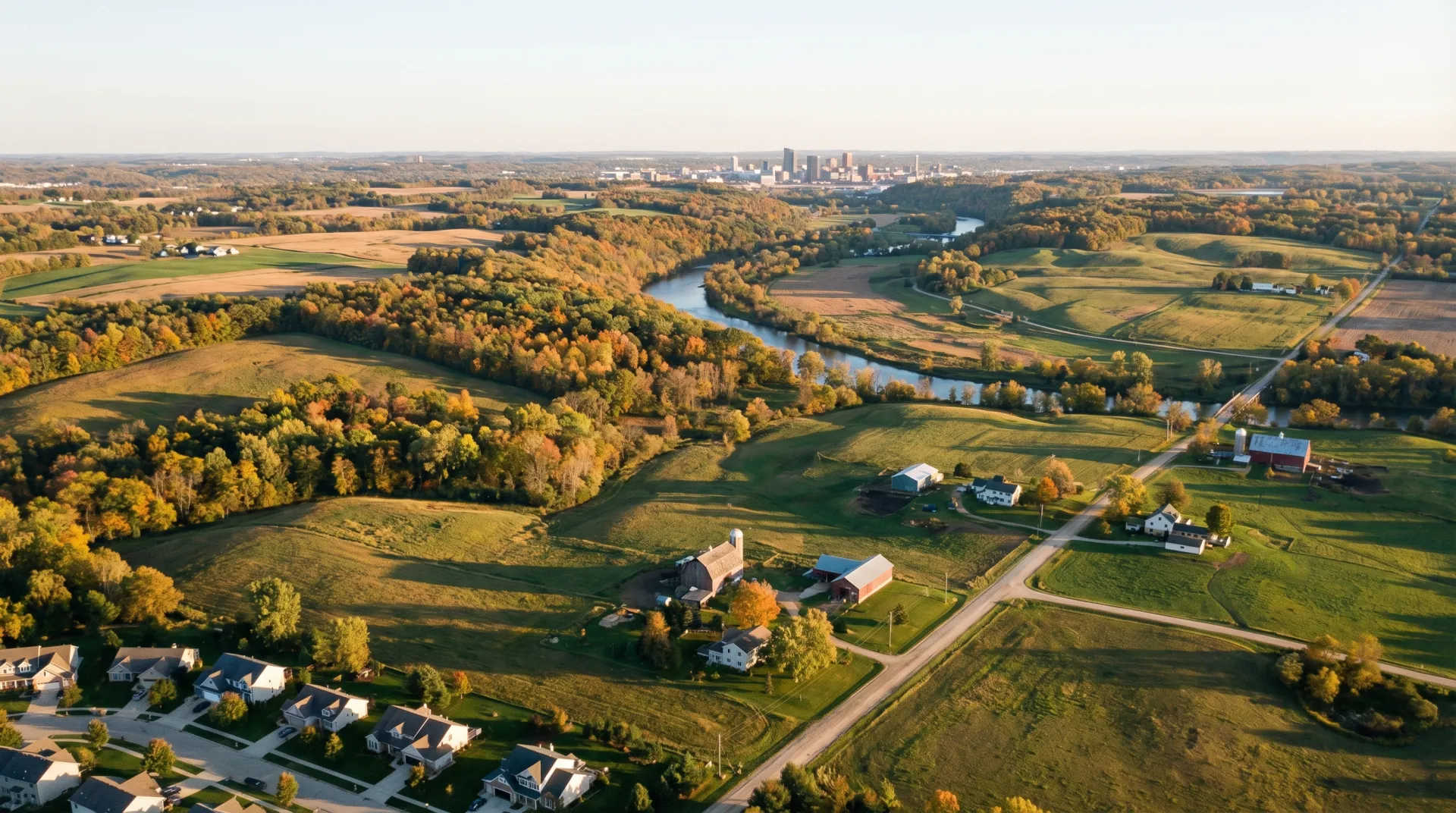
Black Hills is a small, historically rooted neighborhood on the southwest side of Grand Rapids, less than two miles from downtown. The neighborhood is bounded by the Grand River to the north, Godfrey Avenue to the east, Hall Street to the south, and Freeman Avenue to the west. Railroad tracks and industrial areas border portions of the neighborhood, creating a geographically distinct pocket.
The neighborhood takes its name from the black walnut trees that once blanketed the area. In the early 1900s, visitors would ride in from Chicago by horse-drawn buggy to collect the prized nuts. When the area was formally developed for residential use, the name stuck in homage to those iconic trees.
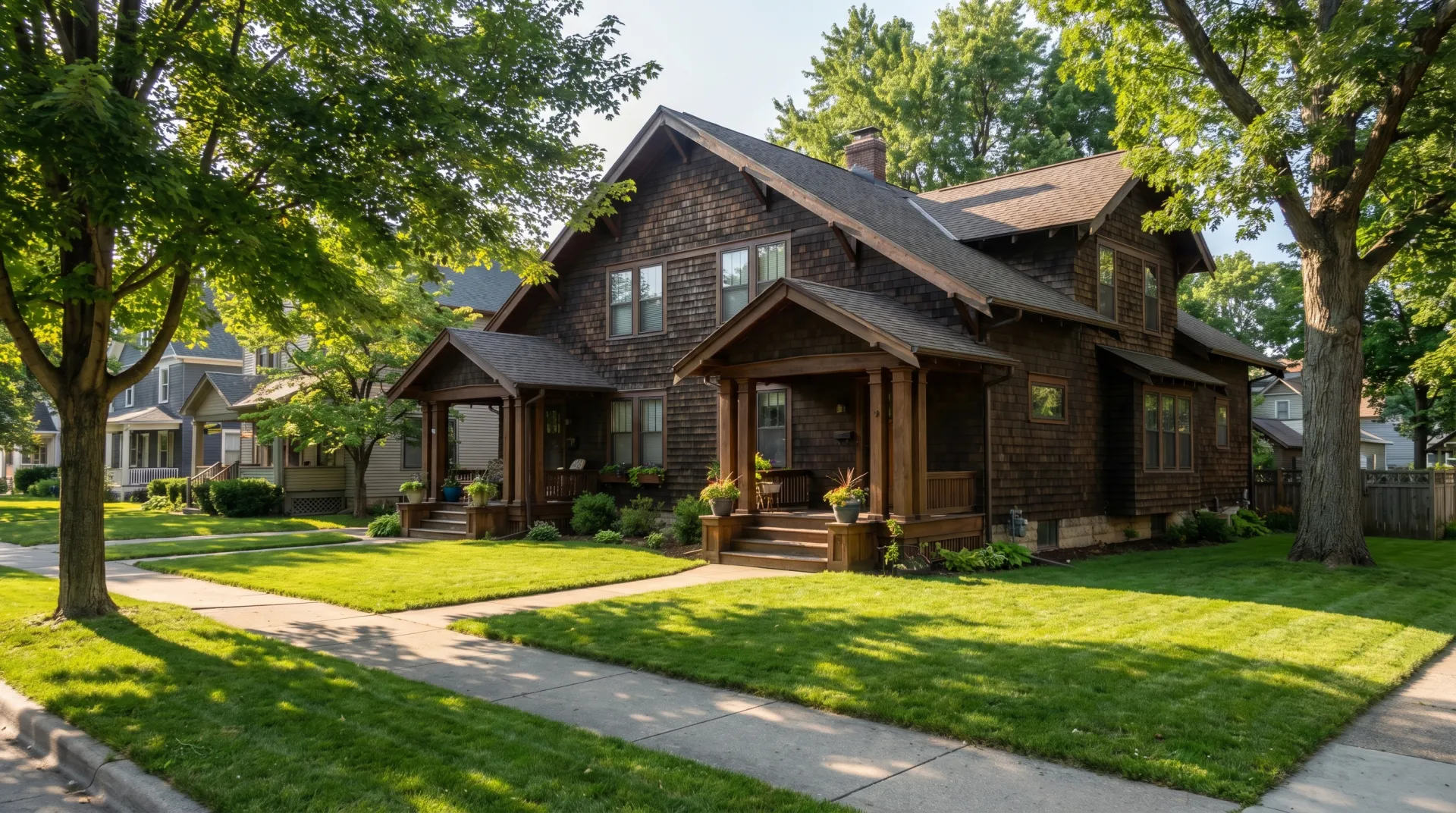
Black Hills contains approximately 350 single-family homes with a mix of early 20th-century architectural styles, including American Foursquares, bungalows, and farmhouses alongside 1950s ranch-style houses. The overall character is of a tight-knit residential community where the compact size means most residents know their neighbors. The ZIP code is 49503.
Real Estate
Real Estate
Black Hills offers some of the most affordable single-family housing within Grand Rapids city limits. The median sale price is approximately $235,000, up about 10% to 15% year over year. Homes move quickly, often selling within 3 to 5 days of listing.
What to expect:
- Single-family homes: 900 to 1,800 sq ft, 2 to 4 bedrooms, with a mix of early 1900s Foursquares, bungalows, and 1950s ranch homes
- Lot sizes: Compact urban lots typical of early 20th-century development
- New construction: Limited; the neighborhood is largely built out
- HOA prevalence: Uncommon
- Price range: Roughly $150,000 for smaller or unrenovated homes to $300,000 for updated properties
The neighborhood's affordability relative to surrounding areas, combined with its proximity to downtown, makes it an active market. About 53% of residents own their homes and 47% rent, giving the area a balanced mix of owner-occupied and rental housing.
Architecture
Architecture
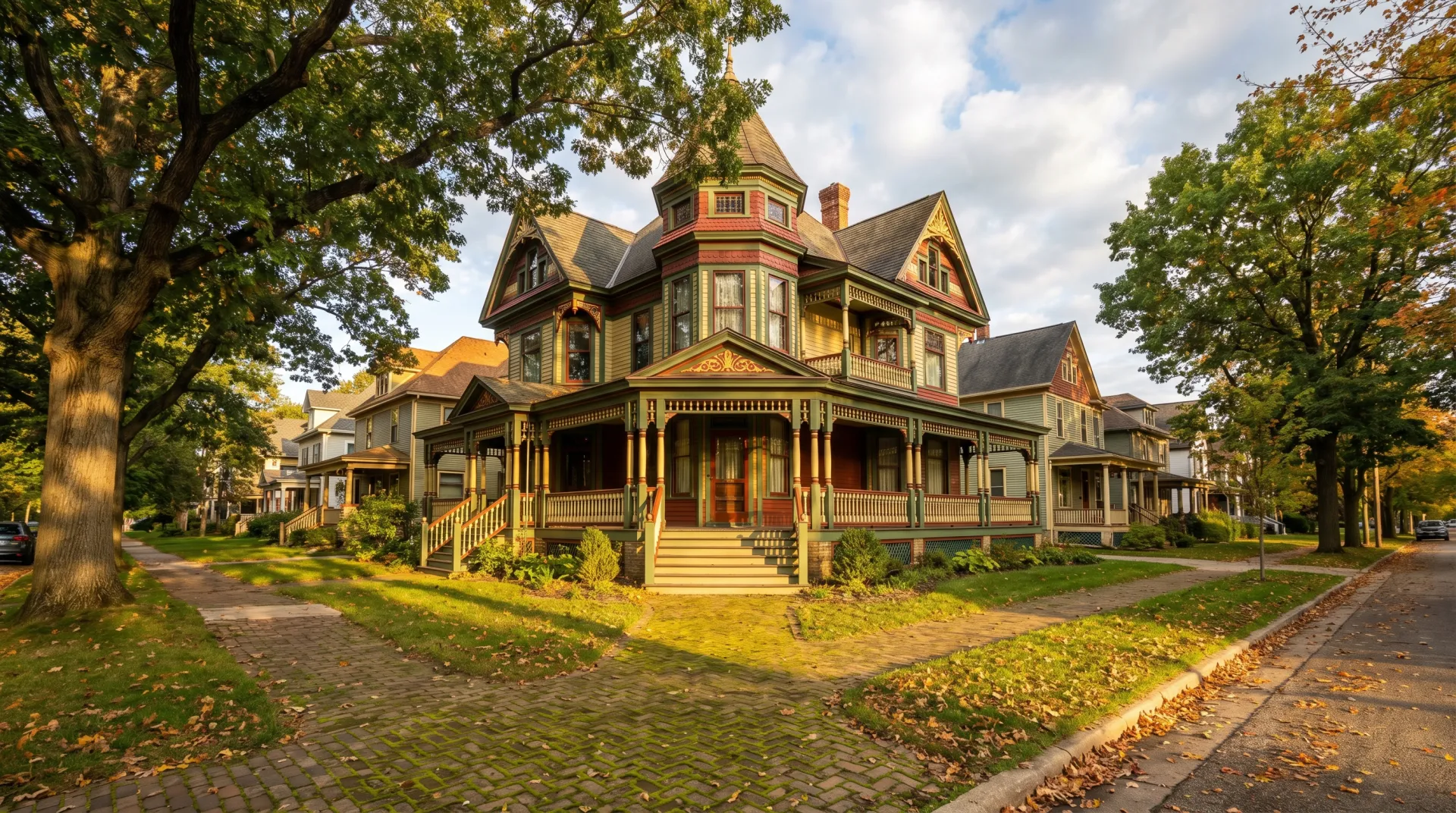
Black Hills' housing stock spans several decades of Grand Rapids' growth. The oldest homes date to the early 1900s and include American Foursquare and bungalow styles characteristic of that era, with covered front porches, simple rectangular footprints, and wood-frame construction. Some farmhouse-style homes also survive from the period when this area was still transitioning from agricultural to residential use.
Mid-century additions, primarily 1950s ranch-style homes, round out the housing stock. These tend to be single-story, three-bedroom homes with attached or detached garages on smaller lots. The architectural variety gives the neighborhood a layered character, with each block reflecting a different phase of development.
Schools
Schools
Black Hills falls within the Grand Rapids Public Schools (GRPS) district. The specific school assignments for a given address can be determined using the GRPS Attendance Area Finder tool.
GRPS operates numerous elementary, middle, and high school options, including theme schools and Centers of Innovation that are available to all district residents through the Schools of Choice program. Dean Transportation provides busing for Pre-K through 8th grade scholars, and The Rapid provides bus transportation for 9th through 12th grade scholars.
Dining
Dining
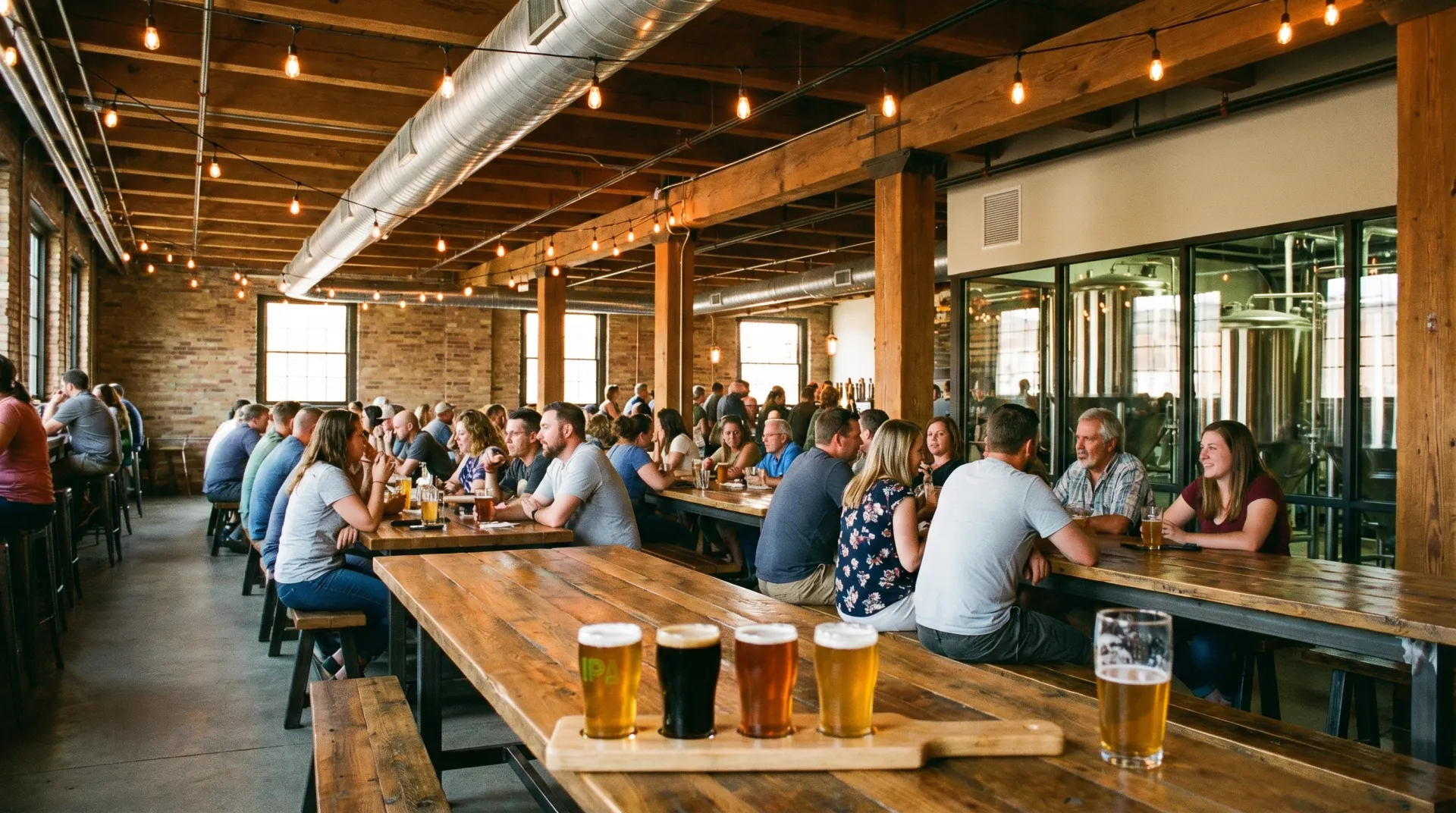
While Black Hills itself has limited commercial frontage, the surrounding corridors offer diverse dining options. Cesar E. Chavez Avenue (formerly Grandville Avenue), which runs near the neighborhood, is lined with more than 10 Mexican and Latin American restaurants, reflecting the cultural diversity of the broader southwest side. Rodriguez Supermarket is the nearest full-service grocer for the community.
Downtown Grand Rapids' restaurant scene is less than two miles north, easily accessible via Godfrey Avenue or the Grand River-adjacent routes. The Wealthy Street corridor to the east and the Bridge Street corridor to the north also provide additional dining options within a short drive.
Parks
Parks and Recreation
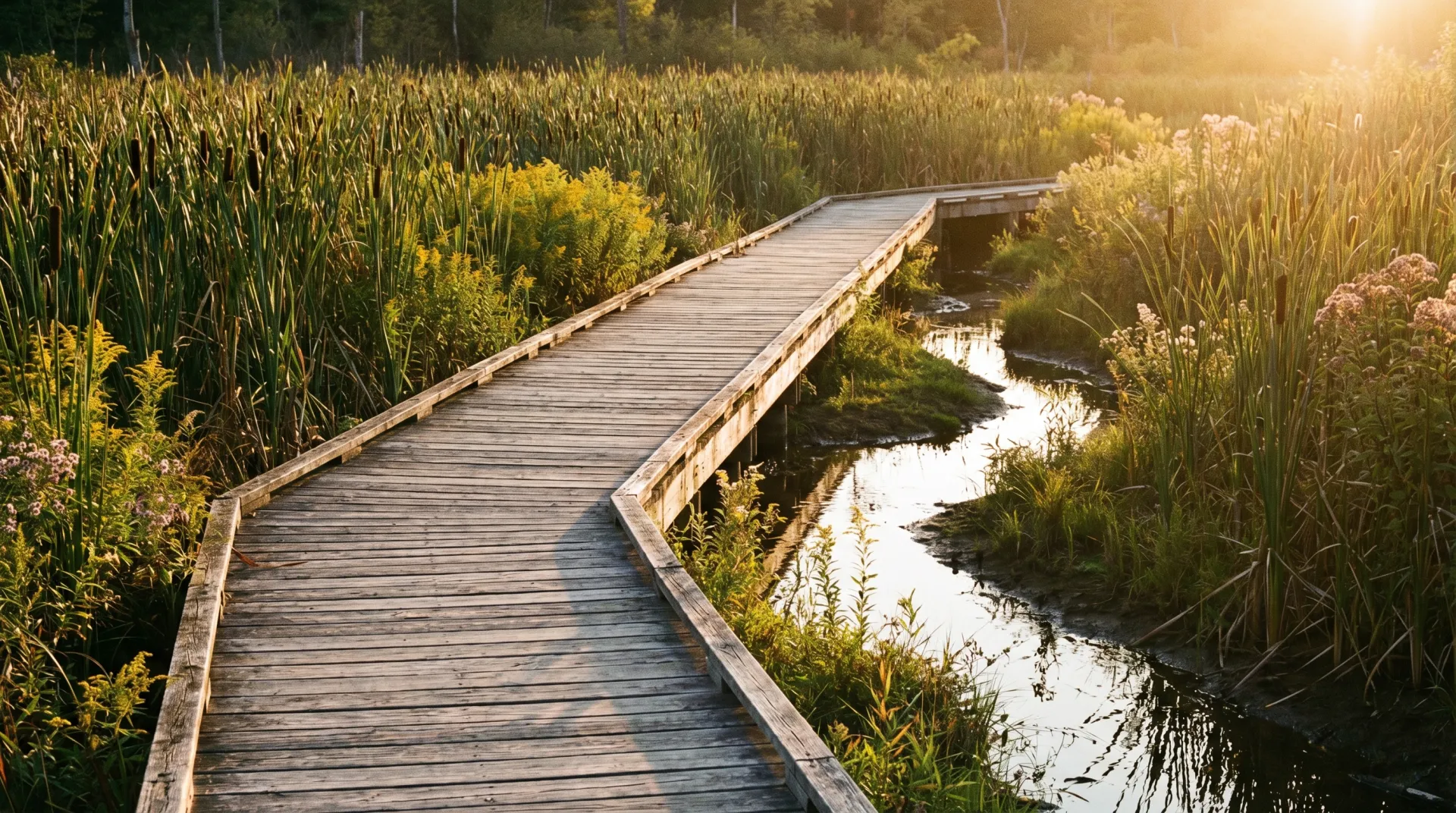
Clemente Park is the primary recreation space serving Black Hills, spanning almost 12 acres with a soccer field, baseball diamond, and picnic shelter. Adjacent to the park is the public Clemente Skate Park.
Kensington Park is a smaller neighborhood green space within Black Hills featuring children's play equipment and a soccer field. Marquette Park, slightly further from the neighborhood core, offers additional recreation including basketball courts, a dog park, and a community garden.
The Oxford Trail project, currently in development, will rehabilitate and extend over 1.5 miles of trails connecting southwest neighborhoods to the Grand River. The project includes shade space, a small performance amphitheater, bike repair stations, connections to Godfrey Avenue and Hall Street, and new playground features. This investment will significantly improve trail connectivity for Black Hills residents.
The Grand River itself runs along the neighborhood's northern boundary, and Grand Valley State University's downtown (Pew) campus sits nearby along the riverfront.
Getting Around
Transportation
Black Hills benefits from strong proximity to downtown Grand Rapids, approximately 1.5 to 2 miles north. This makes it one of the closer southwest-side neighborhoods to the city center.
Major road access: Godfrey Avenue (eastern boundary) and Hall Street (southern boundary) provide direct connections to downtown and the broader road network. Access to US-131 is available within a short drive via the Market Avenue or Wealthy Street interchanges.
Public transit: The Rapid provides bus service on routes accessible from the neighborhood. The Silver Line BRT on Division Avenue is reachable via connecting routes.
Commute times: Downtown Grand Rapids is a 5 to 8 minute drive. Gerald R. Ford International Airport is approximately 14 miles southeast, a 20-minute drive.
Community
Community
Black Hills has an estimated population of approximately 1,335 residents with a median age of 29. The neighborhood is compact and community oriented.
The Black Hills Neighborhood Association works to foster engagement through meetings and local projects, giving residents a voice in shaping the neighborhood's future. The association's activity level has varied over the years.
The neighborhood's cultural identity reflects the diversity of Grand Rapids' southwest side. The proximity to the Cesar E. Chavez Avenue corridor, Grand Valley State University's downtown campus, and the Grand River waterfront all contribute to the area's character.
History
History
Black Hills' name predates its residential development. Before homes were built, the area was covered with black walnut trees. In the early 1900s, the trees were well known enough that visitors would travel from as far as Chicago by horse-drawn buggy to collect the walnuts. When residential development began, the neighborhood was named in honor of those trees.
The neighborhood developed in stages, with the earliest homes dating to the turn of the 20th century and significant additions in the 1950s. The area's history is also shaped by its significance as one of the first neighborhoods in Grand Rapids that was bought and developed by Black contractors, with a focus on providing homes for the Black community. Since then, the neighborhood has diversified considerably.
The Grand River, which forms the neighborhood's northern boundary, has shaped Black Hills' geography and development patterns. Industrial activity along the river and the railroad corridor created the geographic isolation that gives the neighborhood its distinct pocket-like character.
Investment
Investment Potential
Black Hills presents an interesting investment profile driven by affordability and location. The median price of approximately $235,000 is well below the Grand Rapids citywide median, while the proximity to downtown (under 2 miles) provides genuine location value. Year-over-year appreciation of 10% to 15% reflects strong demand in this price segment.
The near-even split between owner-occupied (53%) and renter-occupied (47%) housing indicates an active rental market. For investors, the compact single-family homes in the $150,000 to $250,000 range can generate positive cash flow as long-term rentals. Average rents in the area are around $1,099 per month.
The Oxford Trail project and ongoing investment in Grand Rapids' southwest-side infrastructure could provide additional appreciation tailwinds. The proximity to Grand Valley State University's downtown campus also supports rental demand from the university community.
As with all Grand Rapids investment properties, buyers should be aware of the city's short-term rental restrictions and underwrite to long-term rental income.
Nathan's Take
The local read.
Black Hills is one of the most affordable entry points into the Grand Rapids market within two miles of downtown. The median price around $235,000 is significantly below the citywide figure, and homes here move fast, often within a week of listing. If you are looking for proximity to downtown at a lower price point, this neighborhood should be on your radar.
The trade-off is that this is a compact neighborhood bordered by industrial areas and railroad tracks. It does not have the walkable commercial corridors or the historic architectural grandeur of neighborhoods like Heritage Hill. What it does have is location, affordability, and a community that has steadily invested in its own improvement.
For investors, the numbers can work. The split between owners and renters is roughly even, rental demand is steady given the downtown proximity and nearby GVSU campus, and the price-to-rent ratios are favorable compared to more expensive neighborhoods. The Oxford Trail project is a meaningful infrastructure investment that will improve the neighborhood's connectivity to the riverfront.
Buyers should walk the neighborhood and understand its geography. The railroad tracks, industrial neighbors, and river boundary create a distinct pocket that feels different from block to block. Take the time to understand the micro-location before making an offer.
Location
Black Hills on the map
Boundary of the Black Hills area. Drag to explore the surrounding neighborhoods and commute corridors.
Listings
Browse homes in Black Hills.
See what is currently listed in Black Hills and the surrounding area.
Resources
Helpful links
District homepage, school directory, and enrollment information
Determine which GRPS school serves a specific address in Black Hills
City parks information including Clemente Park and Kensington Park
Bus schedules, route maps, and fare information for public transit
Official municipal site including property tax estimator and planning resources
Downtown development news including the Oxford Trail project connecting southwest neighborhoods
Visitor and resident guide with dining, events, and neighborhood profiles
More in Grand Rapids
Other neighborhoods in Grand Rapids.
Black Hills is one of several neighborhoods in Grand Rapids. Each has its own character and price range.
Questions about Black Hills?
Ask Nathan.
Send a note with what you are looking for in Black Hills, price range, timeline, school or commute priorities, and Nathan will follow up.
Contact
Get in touch
Send a message and Nathan will get back to you within one business day.
Message received
Thank you. Nathan will be in touch soon.
Nathan typically responds within one business day.
— Nathan Strodtbeck, REALTOR®