Grand Haven
Where the Grand River meets Lake Michigan
City · Ottawa County
Grand Haven at a glance
Coast Guard City, U.S.A. at the mouth of the Grand River on Lake Michigan, with a boardwalk, red lighthouses, the Musical Fountain, and historic downtown.
- Median Price
- $370,000
- Median $/sqft
- $298
- Median DOM
- 42 days
- Population
- 11,002
- Median Income
- $60,669
- School District
- Grand Haven Area Public Schools
- Tax Millage
- 36.07
Market data as of 2026-03. Population: U.S. Census Bureau, 2024 estimate.
Overview
Overview
Grand Haven is a lakeshore city at the confluence of the Grand River and Lake Michigan, serving as the county seat of Ottawa County. The city's identity is shaped by its waterfront setting: a half-mile of Lake Michigan beach at Grand Haven State Park, the Grand River channel with its iconic South Pier and paired red pierhead lighthouses, and the 3-mile boardwalk connecting downtown to the beach. The boardwalk runs along the Grand River's south bank and transitions to the lakefront, passing marinas, parks, and the Lynne Sherwood Waterfront Stadium. Grand Haven holds the federal designation "Coast Guard City, U.S.A.," reflecting its long relationship with the U.S. Coast Guard, which has maintained a station at the harbor since the 19th century.
Downtown Grand Haven centers on Washington Avenue, a commercial corridor of two- and three-story commercial buildings featuring Late Victorian, Neoclassical, and Italianate architecture. The Grand Haven Historic District was listed on the National Register of Historic Places in 2016. The downtown streetscape includes locally owned restaurants, boutiques, galleries, and specialty shops, with commercial activity intensifying significantly during the summer tourism season. The Grand Haven Musical Fountain, a synchronized water-light-and-music show located on Dewey Hill across the Grand River from downtown, has operated nightly during summer months since 1962 and is visible from the boardwalk and waterfront stadium.
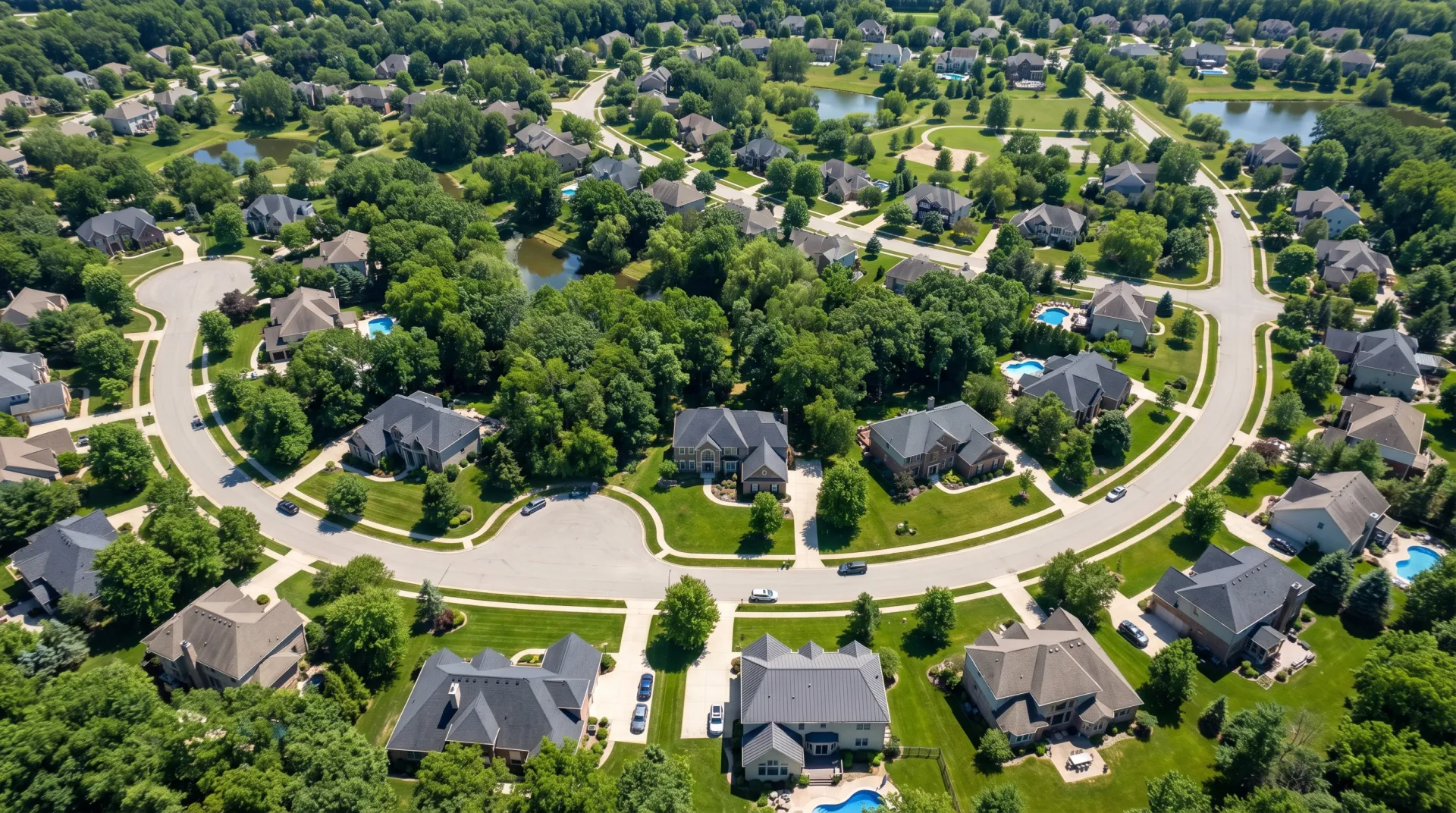
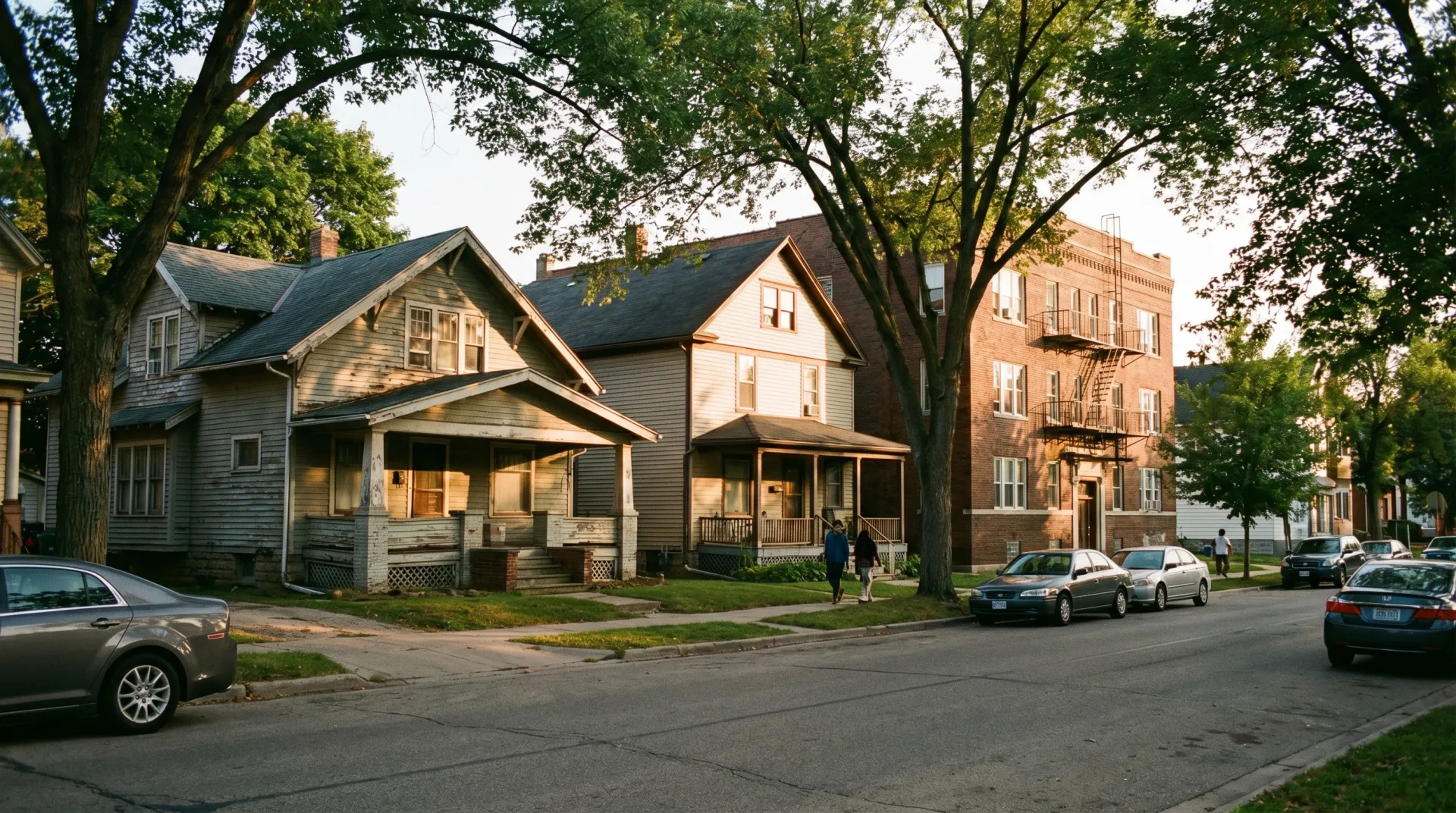
The residential fabric of Grand Haven ranges from compact historic neighborhoods near downtown, with Victorian cottages, Queen Anne homes, and early 20th century bungalows, to newer suburban-density developments in the outer portions of the city and surrounding Grand Haven Charter Township. Waterfront properties along the Grand River and Lake Michigan shoreline represent the premium tier of the market. The city experiences a pronounced seasonal rhythm: summer months bring substantial tourism-driven economic activity, while the off-season returns the city to a quieter, year-round community character.
Real Estate
Real Estate
Grand Haven's real estate market carries a significant "lakeshore premium" compared to inland Ottawa County communities. The median price per square foot ($298) is meaningfully higher than Holland, Zeeland, or Hudsonville. Waterfront and premium properties regularly exceed $750,000. The median sale price ranges from approximately $348,000 to $430,000 depending on source and period.
What to expect:
- Price range: Approximately $200,000 to $750,000+. Entry-level homes in non-waterfront locations start near $200,000; waterfront properties regularly exceed $750,000
- Median price per square foot: $298 (up 15.5% year-over-year)
- Inventory: Becoming more balanced after several years of strong seller advantage. Well-priced, well-presented homes continue to sell quickly while others take longer
- Median days on market: Approximately 35 to 50 days
- Dominant housing types: Single-family detached homes predominate. Condominiums and townhomes are available, particularly in waterfront and newer developments
- New construction: 226 new apartments and townhomes are planned across two developments as of 2025. Robinson Landing, a 30-home single-family development, broke ground in 2022 with homes starting from approximately $345,000
- HOA prevalence: Newer subdivisions and condominium developments commonly carry HOA fees. Older neighborhoods within city limits are typically non-HOA
- Rental market: Average rent is approximately $1,332/month. Vacancy rate of approximately 11.82%. Rents are approximately 15% below the national average
Architecture
Architecture
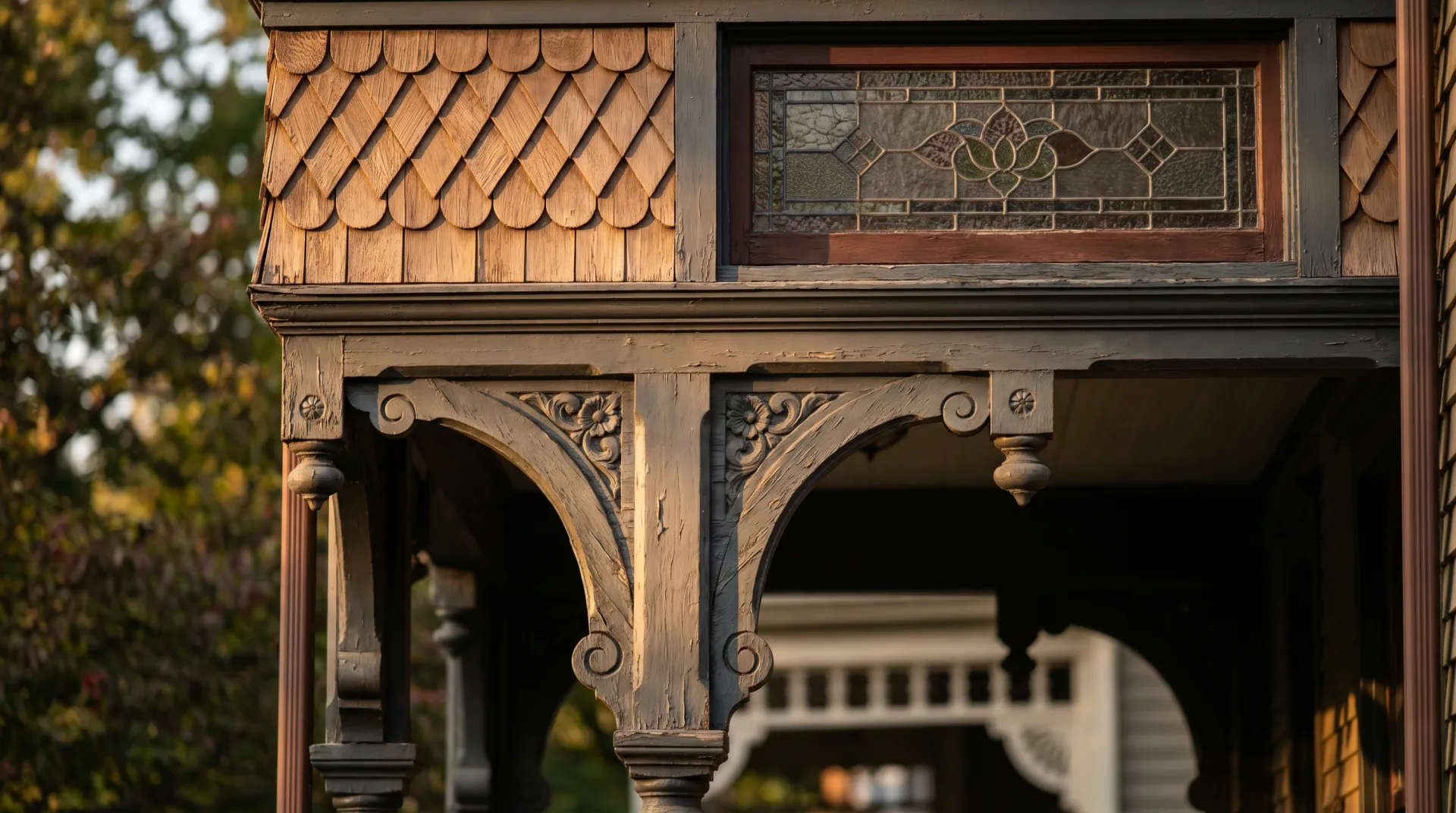
The Grand Haven Historic District (National Register, 2016) features Late Victorian commercial blocks, Period Revival structures, Neoclassical bank buildings, Italianate commercial architecture, Queen Anne residences, and some International Style and Mid-Century Modern structures. Residential areas include Victorian cottages, Queen Anne houses, Colonial Revival, Craftsman/Bungalow, and Mid-Century Ranch homes. Newer developments feature Contemporary and New Traditional styles. Waterfront properties include a mix of historic cottages, modern lake houses, and condominium buildings.
The oldest surviving structure (Sidney Williams House) likely dates to the late 1830s, the city's first era of settlement. Approximately 30% of housing stock dates from pre-1940, 35% from 1940-1980, and 35% from 1980-present. In-city lots range from approximately 5,000 to 8,000 sq ft in historic neighborhoods to 0.25 to 0.5 acres in outer residential areas. Waterfront lots vary significantly.
Typical home sizes range from approximately 1,000 sq ft (historic cottages and bungalows) to 3,500+ sq ft (waterfront homes and newer construction), averaging approximately 1,400 to 2,000 sq ft.
The Willard C. Shelden House (1893), designed by Grand Rapids architect William G. Robinson, is considered the finest Queen Anne residence in the city. The Grand Haven South Pier lighthouses (inner light 1905, outer light 1839/rebuilt) are iconic red-painted structures connected by an elevated catwalk. The Tri-Cities Historical Museum occupies the 1870 Grand Trunk Railroad Depot.
Schools
Schools
Grand Haven Area Public Schools (GHAPS) serves the city and surrounding area, operating 13 schools with approximately 5,306 students, a student-teacher ratio of 18:1, and per-student spending of approximately $14,950/year.
Elementary schools include Ferry, Griffin, Lake Hills, Mary A. White, Peach Plains, Robinson, and Rosy Mound (K-4). White Pines Intermediate School (grades 5-6) and Lakeshore Middle School (grades 7-8) serve the middle grades. Grand Haven High School (grades 9-12) and Central High School (grades 9-12) provide high school options, along with Grand Haven CyberSchool (grades 7-12).
The district participates in Schools of Choice enrollment. Grand Haven Area Public Schools serves the City of Grand Haven, Grand Haven Charter Township, Robinson Township, and portions of Spring Lake Township, so the district boundary extends well beyond city limits.
Dining
Dining

Washington Avenue is Grand Haven's primary downtown commercial corridor, densely lined with restaurants, shops, and entertainment venues. The boardwalk/waterfront area along the Grand River provides seasonal dining options. Beacon Boulevard (US-31) serves as the commercial strip for larger-format retail.
Snug Harbor offers waterfront dining with views of the Grand River, featuring fresh seafood, steaks, and craft cocktails with live music performances. Noto's serves Sicilian/Italian cuisine with lakefront views, woodfired pizzas, fresh Michigan seafood, and handmade pasta. Fricano's Pizza Tavern, operating since 1949 and believed to be Michigan's first pizzeria, serves tavern-style thin crust pizza (cash only). The Toasted Pickle serves upscale sandwiches and soups, known for the Green Goddess grilled cheese with avocado and pesto. Pronto Pups, operating along the boardwalk since 1947, serves iconic corn dogs seasonally during summer months. Morning Star Cafe is a locally owned downtown breakfast and lunch spot.
Downtown Grand Haven along Washington Avenue features locally owned boutiques, gift shops, art galleries, and specialty retail. Chinook Pier and the Harbourfront area offer waterfront shopping.
The Grand Haven Musical Fountain (Dewey Hill, since 1962) provides free nightly synchronized water-light-and-music shows of 20 to 25 minutes, viewed from the Lynne Sherwood Waterfront Stadium and boardwalk. Shows operate nightly at dark from Memorial Day through Labor Day, plus Fridays and Saturdays in May and September.
Parks
Parks and Recreation

Grand Haven's park system leverages the city's waterfront setting for exceptional outdoor recreation.
Grand Haven State Park (48 acres) features a half-mile of Lake Michigan beach, camping (174 sites), fishing, volleyball, and swimming, bordering the Grand River channel and South Pier. Rosy Mound Natural Area (164 acres, managed by Ottawa County Parks) offers a 2.2-mile hiking trail through dune forest to a Lake Michigan beach, with scenic overlooks and boardwalk stairs. Hofma Park (110+ acres, managed by Grand Haven Charter Township) provides 4.4 miles of trails through diverse habitats including dune, wetland, and forest. Mulligan's Hollow provides a ski hill in winter and hiking in summer.
The Grand Haven Boardwalk is a 3-mile paved path running along the Grand River from downtown to Grand Haven State Park and the Lake Michigan beach. The Lakeshore Connector Path (20 miles, paved) connects Grand Haven State Park to Holland State Park along Lakeshore Drive. Ottawa County maintains over 100 miles of regional bike trails in the broader area.
Lake Michigan forms the city's western boundary, accessible via the State Park beach and South Pier. The Grand River (Michigan's longest river, 252 miles) meets Lake Michigan at Grand Haven, with the harbor providing marina access, charter fishing, and kayaking/paddleboarding. Spring Lake is accessible from the adjacent community.
Getting Around
Transportation
Grand Haven is approximately 35 miles from downtown Grand Rapids via I-96/US-31, with a typical drive time of 35 to 45 minutes.
Major road access includes US-31 (Beacon Boulevard, primary north-south highway connecting to Holland southbound and Muskegon northbound; connects to I-96 eastbound to Grand Rapids), M-104 (connects Grand Haven to I-96), Washington Avenue (primary downtown north-south arterial), and Harbor Drive (waterfront access).
Harbor Transit Multi-Modal Transportation System provides on-demand transportation services in Grand Haven, Grand Haven Charter Township, Ferrysburg, Spring Lake, and Spring Lake Township. All rides are currently free. The seasonal Lakeshore Trolley operates daily 12pm to 8pm from the day after Memorial Day through Labor Day weekend, connecting local attractions including beaches, museums, parks, and shops.
The 20-mile Lakeshore Connector Path provides paved bike access south to Holland State Park. Ottawa County maintains over 100 miles of regional bike trails. In-city bike routes connect residential areas to the boardwalk and downtown.
Gerald R. Ford International Airport is approximately 40 miles east, with a typical drive time of 40 to 50 minutes.
Community
Community
The City of Grand Haven operates under a Council-Manager form of government. Grand Haven is the county seat of Ottawa County. The population is approximately 11,002 (2024 estimate), with a median household income of $60,669.
The property tax millage rate is 36.07 mills (homestead), rising from 34.07 mills with a public safety millage passed in November 2025.
Community organizations include the Grand Haven Area Chamber of Commerce, Main Street Grand Haven / Downtown Development Authority, Grand Haven Area Convention & Visitors Bureau, and the Grand Haven Community Foundation. Loutit District Library (407 Columbus Avenue) serves as the primary public library.
The Coast Guard Festival (late July/early August, annually since 1924) is Grand Haven's largest annual event, celebrating the city's Coast Guard heritage with approximately 10 days of parades, concerts, carnival, ship tours, fireworks, and community events. The Grand Haven Musical Fountain has operated nightly during summer since 1962, providing free synchronized water-light-and-music shows. Winterfest (February) offers winter recreation activities. Art on the Lakeshore is an annual summer juried art fair.
History
History
Grand Haven was first settled November 2, 1834, under the leadership of Reverend William Montague Ferry, a Presbyterian minister from Mackinac Island, who arrived with a group of settlers. The settlement was platted and named "Grand Haven" in 1835 for the safe and spacious harbor at the mouth of the Grand River. The city was incorporated in 1867.
Grand Haven became the county seat of Ottawa County upon its organization. The city's economy was initially based on the lumber industry, with sawmills lining the Grand River, and later transitioned to manufacturing and tourism.
The first Grand Haven lighthouse was constructed in 1839. The current pierhead lights date to the early 20th century and feature the distinctive red-painted structures and elevated catwalk connecting the inner and outer lights, which have become the city's most recognizable landmarks.
Grand Haven received the official federal designation "Coast Guard City, U.S.A." in 1998, recognizing the city's deep historical ties to the U.S. Coast Guard, which has maintained a station at the harbor since the 19th century. The annual Coast Guard Festival has been held since 1924. The Grand Haven Musical Fountain, installed on Dewey Hill in 1962, is one of the largest musical fountains in the world.
Grand Haven's transition from lumber port to resort and tourism destination began in the late 19th century, and the city's waterfront amenities continue to define its identity and economic character today.
Investment
Investment Potential
Grand Haven's investment profile is shaped by its waterfront premium, seasonal tourism economy, and geographically specific STR regulations. The city requires annual registration for all rental properties ($165/year for STR units, $115/year for long-term units). Initial registration for new STRs costs $525 and includes one inspection.
New STR certifications are geographically restricted to specific zoning districts: portions of the Southside district, Old Town (subject to special use approval), Central Business District, Dune Residential (subject to special use approval), and Waterfront-2 zone. STRs are also permitted within Grand Landing, The Elliott on Seventh, and Harbourfront Condos developments. Grand Haven Charter Township (separate from the city) currently does not allow short-term rentals.
The development pipeline includes 226 new apartments and townhomes across two developments, plus Robinson Landing (30-home single-family development, homes starting from approximately $345,000). The Grand Haven Historic District listing (2016) has supported rehabilitation investment in downtown commercial buildings.
Average rents of approximately $1,332/month with a vacancy rate of approximately 11.82% are already higher than typical for tighter West Michigan markets. Summer tourism creates seasonal demand pressure for both short-term and long-term rentals. The city's Master Plan update (in progress) addresses goals around housing diversity, downtown vitality, and waterfront access.
Nathan's Take
The local read.
Grand Haven's real estate market carries a significant "lakeshore premium" compared to inland Ottawa County communities. The median price per square foot ($298) is meaningfully higher than Holland, Zeeland, or Hudsonville, and waterfront properties on the Grand River or Lake Michigan can exceed $750,000. Buyers should distinguish between properties within the compact City of Grand Haven (higher walkability, access to downtown and boardwalk, higher millage rates) and the much larger Grand Haven Charter Township (lower density, potentially lower taxes, but car-dependent).
The city's STR regulations are highly geographically specific. Only certain zoning districts qualify, and Grand Haven Charter Township currently prohibits STRs entirely. Investors considering short-term rental strategies must verify zoning eligibility for the specific property before purchasing. The STR registration fees ($525 initial, $165/year) and inspection requirements add to operating costs.
Grand Haven's seasonal economic rhythm is a key factor for both buyers and investors. Summer tourism drives significant activity (and revenue for STR operators), but the off-season population drop means year-round businesses and rental properties must work without summer premiums. The Coast Guard Festival alone drives substantial late-July/early-August demand.
Grand Haven's property tax millage is rising to 36.07 mills with the 2025 public safety millage, which is competitive with but slightly lower than Grand Rapids city rates. Buyers should factor this into affordability calculations, especially when comparing to lower-millage communities in surrounding townships.
Location
Grand Haven on the map
Boundary of the Grand Haven area. Drag to explore the surrounding neighborhoods and commute corridors.
Listings
Browse homes in Grand Haven.
See what is currently listed in Grand Haven and the surrounding area.
Resources
Helpful links
Official municipal site: government, planning, permits
Tourism, events, dining, and visitor information
District homepage, school directory, enrollment
Public transportation services and Lakeshore Trolley
State park information, camping, beach access
Lighthouse history and preservation
Local history museum, free admission
Musical Fountain show schedule and information
Airport information, flight status
Questions about Grand Haven?
Ask Nathan.
Send a note with what you are looking for in Grand Haven, price range, timeline, school or commute priorities, and Nathan will follow up.
Contact
Get in touch
Send a message and Nathan will get back to you within one business day.
Message received
Thank you. Nathan will be in touch soon.
Nathan typically responds within one business day.
— Nathan Strodtbeck, REALTOR®