Douglas
West Michigan's Art Coast on the lake
City · Allegan County
Douglas at a glance
Douglas, Michigan is a small lakeside city adjacent to Saugatuck, known as the Art Coast, with Lake Michigan beaches and Kalamazoo River access.
- Median Price
- $550,000
- Median $/sqft
- $370
- Median DOM
- 63 days
- Walk Score
- 21
- Bike Score
- 51
- Population
- 1,433
- Median Income
- $81,627
- School District
- Saugatuck Public Schools
Market data as of 2026-03. Population: U.S. Census Bureau 2020 (1,378); 2026 estimate via World Population Review (1,433).
Overview
Overview
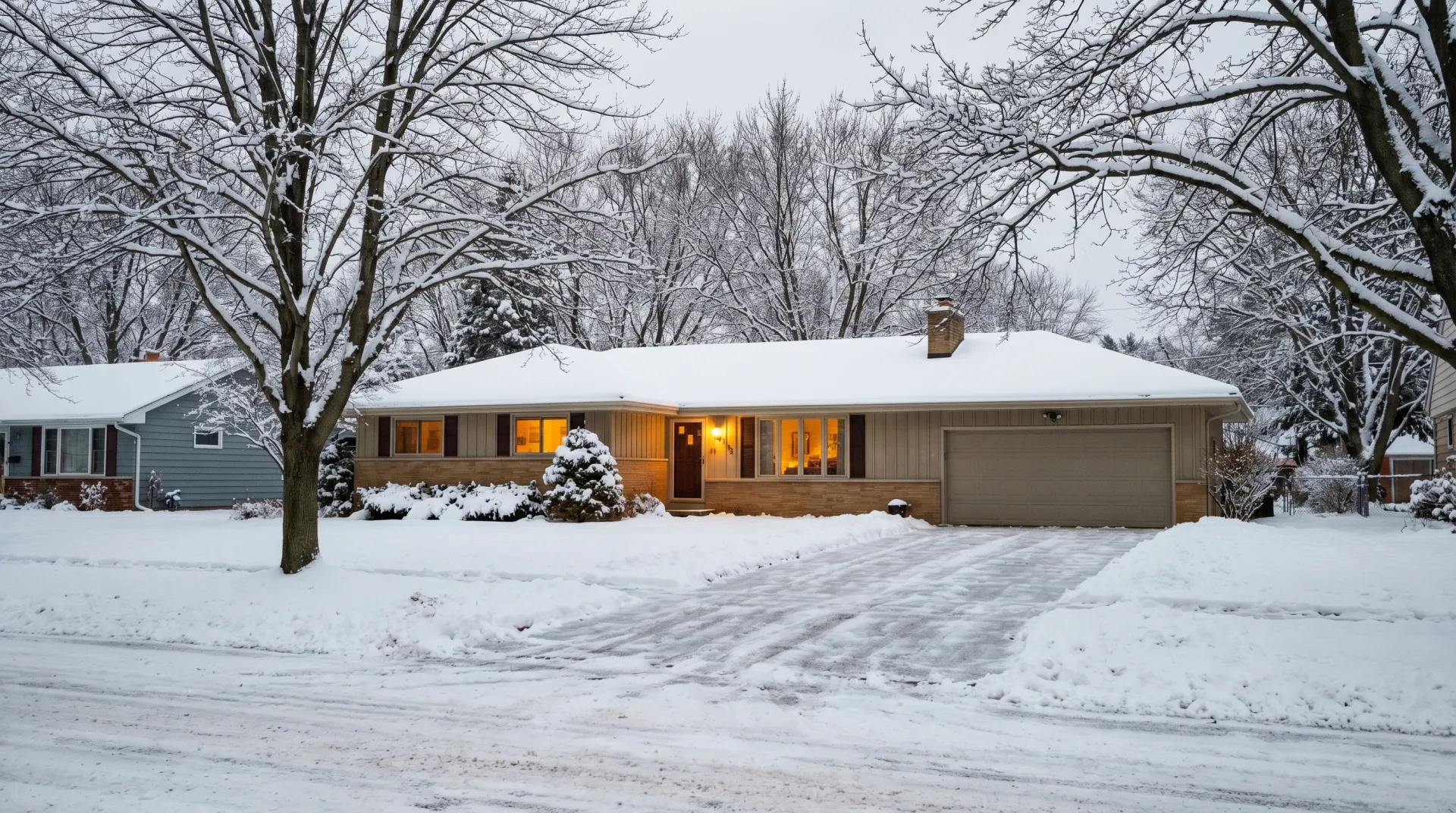
Douglas is a small city in Allegan County on the eastern shore of Lake Michigan, approximately 39 miles southwest of Grand Rapids via I-196. Officially known as the City of the Village of Douglas, it sits directly south of Saugatuck across the Kalamazoo River, and the two communities share a school district, a visitors bureau, and much of their cultural identity. Together, Saugatuck and Douglas are marketed as Michigan's Art Coast.
The city has over 1.5 miles of Lake Michigan coastline, plus more than two miles of frontage along the Kalamazoo River and Kalamazoo Lake Harbor. This dual water access defines the community's character: the setting is equal parts lakeside resort town and quiet riverside village. A compact downtown along Center Street features independent restaurants, art galleries, and specialty shops, but the overall pace is low-key and residential compared to Saugatuck's busier Butler Street corridor.
Douglas has a year-round population of approximately 1,400, though that number swells considerably during the summer tourist season. The economy is driven by tourism, the arts, dining, and a growing cohort of remote workers drawn by the natural setting and cultural programming.
Real Estate
Real Estate
Douglas's real estate market reflects its status as both a primary-residence community and a sought-after vacation and second-home destination on Lake Michigan. The median sale price runs around $550,000, with a median price per square foot near $370. The range is wide: older in-town homes and condominiums start in the mid-$300s, while lakefront properties and larger estates regularly exceed $900,000 and can reach well into seven figures.
What to expect:
- Lakefront and waterfront properties: The most expensive segment, including homes on Lake Michigan, Kalamazoo Lake, and the Kalamazoo River. Lakefront parcels are extremely limited and rarely turn over
- In-town homes: Smaller bungalows, Craftsman-style homes, and mid-century cottages approximately 0.2 to 0.5 miles from Center Street, typically 1,000 to 2,000 sq ft on compact lots
- Condominiums: Several condominium developments serve the vacation and seasonal market, offering lower-maintenance ownership
- Rural and acreage properties: Parcels on the outskirts of the city and into surrounding Saugatuck Township offer more land and privacy
- HOA prevalence: Varies; condominium associations are common, standalone homes generally do not carry HOA fees
Inventory is tight year-round but especially constrained in the summer selling season. Homes in Douglas averaged 63 days on market in recent data, but well-priced waterfront listings move significantly faster. Buyers should be prepared for competitive bidding on desirable properties.
Architecture
Architecture
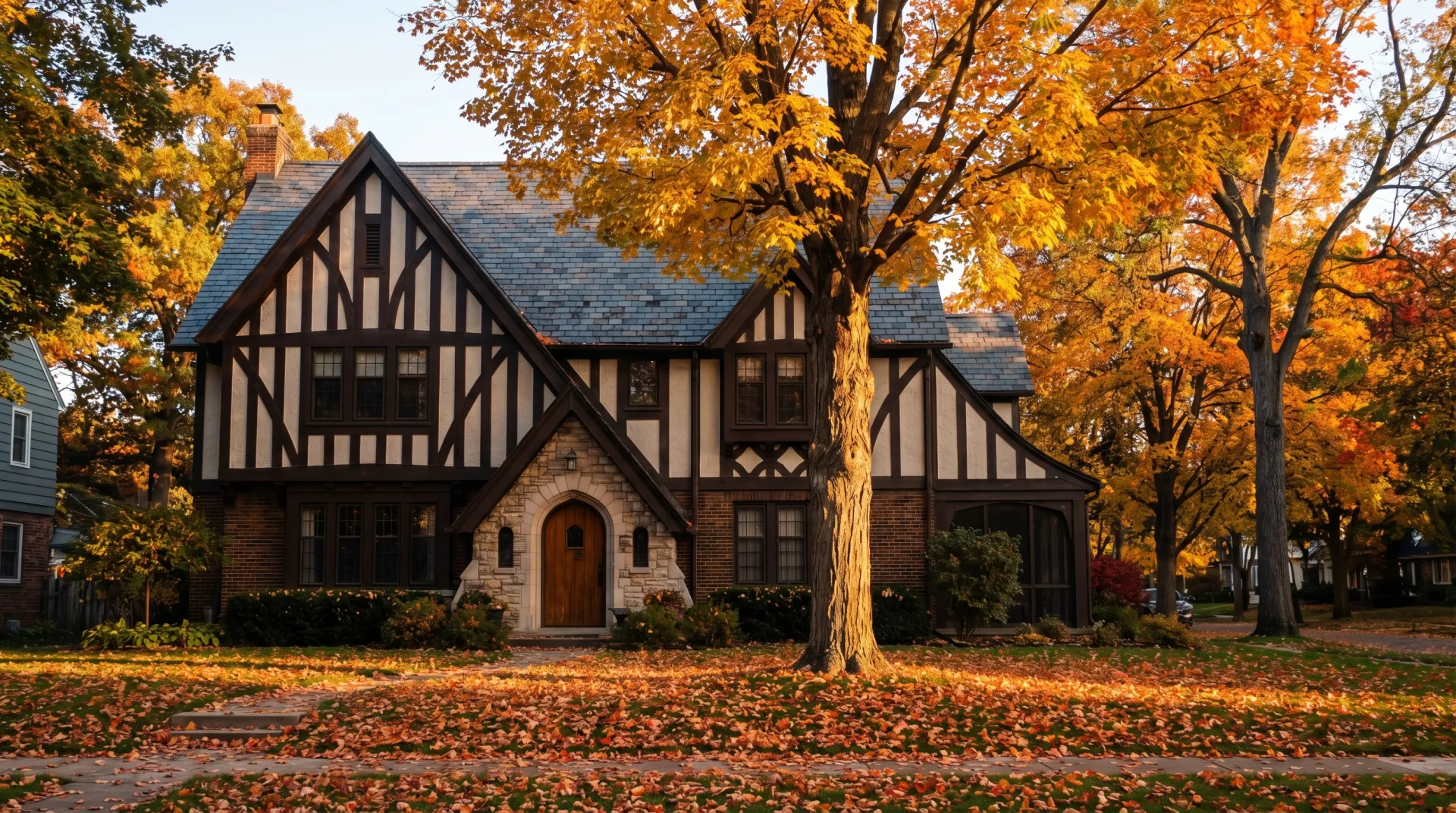
Douglas's building stock reflects its evolution from a lumber mill town to a resort and residential community. The oldest surviving structures date to the late 1800s, with simple frame construction typical of Michigan's lakeshore settlements. Several downtown commercial buildings along Center Street and Blue Star Highway retain their original storefronts from the early 1900s.
Residential architecture spans a wide range. In-town neighborhoods feature Craftsman bungalows, modest Victorian-era cottages, and mid-century ranch homes. Newer construction, particularly near the waterfront and in surrounding developments, tends toward contemporary and transitional styles with an emphasis on maximizing lake or river views through large windows and open floor plans. Some properties incorporate reclaimed or natural materials that blend with the wooded lakeshore setting.
Douglas does not have a locally designated historic district with design review, unlike its neighbor Saugatuck, which means buyers have more flexibility in renovation and exterior modifications.
Schools
Schools
Douglas is served by Saugatuck Public Schools, a small district headquartered in Douglas at 201 Randolph Street. The district covers Douglas, Saugatuck, and portions of Laketown and Saugatuck townships.
The district operates three schools. Douglas Elementary School serves approximately 370 students in grades PreK through 5. Saugatuck Middle School and Saugatuck High School complete the K-12 pathway. The district mascot is the Trailblazers, adopted as part of a 2021 rebranding.
All three schools have been designated as Reward Schools, earning an "A" letter grade from the Michigan Department of Education. State test results show 58% of students proficient in math and 69% in reading. The district has approximately 793 students total, with a student-to-teacher ratio of 16 to 1. Major additions and renovations to district facilities were completed in 2025.
Private and parochial school options are limited within Douglas itself; families seeking alternatives typically look to Holland (approximately 15 miles north) or the broader Allegan County area.
Dining
Dining

Douglas's dining scene punches well above its weight for a city of 1,400 people, driven by tourist traffic and the broader Saugatuck-Douglas culinary culture. Center Street and its immediate surroundings form the core dining district.
The Wild Dog (24 Center St) has been a fixture of downtown Douglas dining for three decades, known for creative American fare. Happystance Dinette, on the corner of Center and Main, is a chef-driven breakfast and lunch spot with a loyal local following. Everyday People Cafe in downtown Douglas is a long-standing community favorite.
The Farmhouse Deli & Pantry (100 Blue Star Highway) offers a sandwich menu, deli case with prepared salads and meats, baked goods, an organic coffee bar, and juice bar. Respite Cappuccino Court (48 Center St) serves coffee and a cafe menu near the gallery district. Borrowed Time is a newer addition earning strong local reviews.
The broader Saugatuck-Douglas area adds depth with additional options across the river in Saugatuck's Butler Street corridor and along the Blue Star Highway. The culinary identity across both communities emphasizes seasonal, locally sourced ingredients, often with creative preparation reflecting the area's arts heritage.
Parks
Parks and Recreation
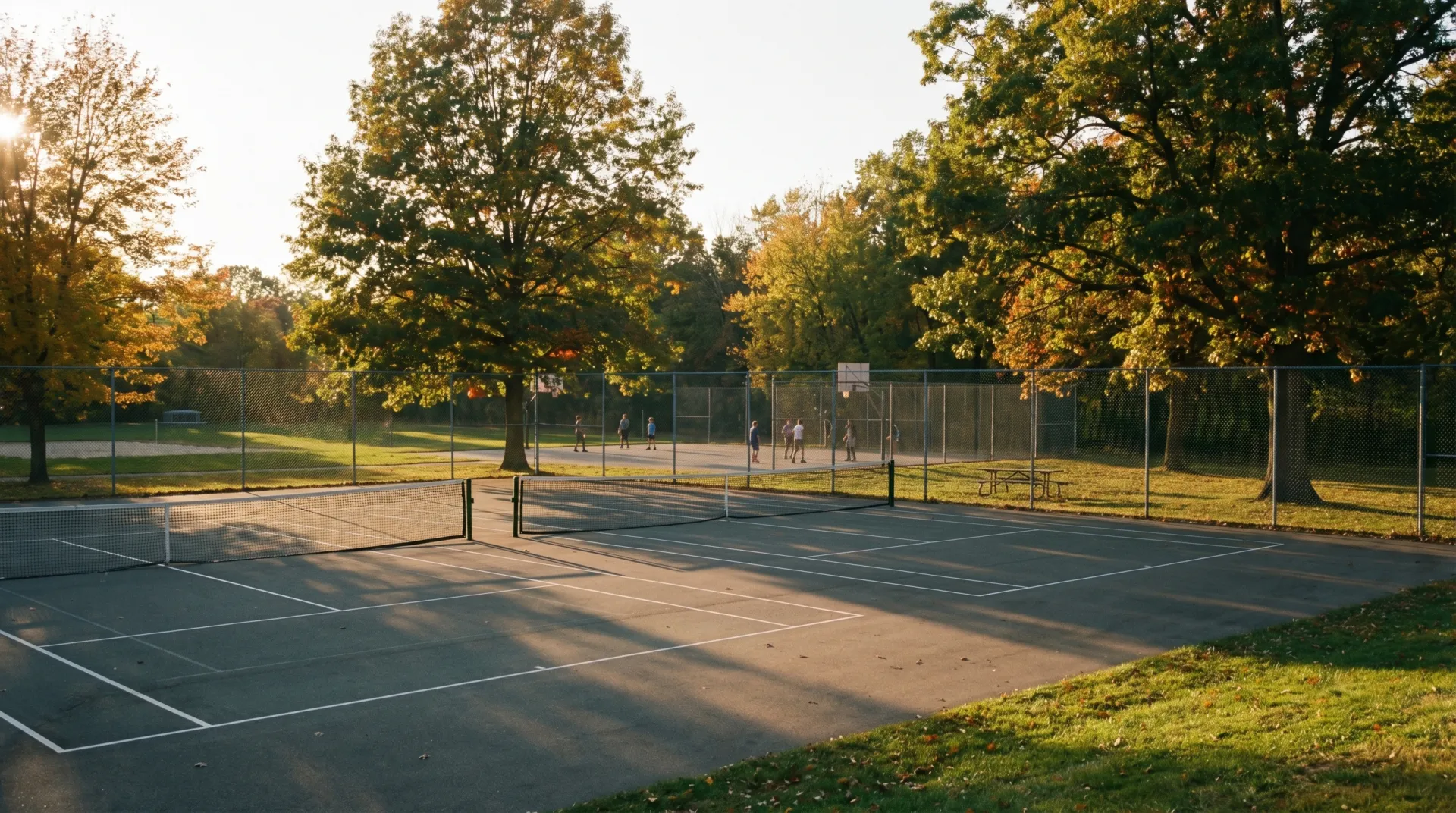
Douglas's outdoor recreation centers on its Lake Michigan shoreline, Kalamazoo River frontage, and connections to regional trail networks.
Douglas Beach Park is a free public beach on Lake Michigan with parking, restrooms, and direct shoreline access. It offers a quieter alternative to Saugatuck's Oval Beach, which charges a $10 per-car entry fee in summer but is recognized as one of the top freshwater beaches in the country by Conde Nast Traveler and National Geographic Traveler.
Beery Field (8 Center St) is Douglas's central park, with a playground, ballfields, picnic tables, and public restrooms. Wade's Bayou Memorial Park (52 Bayou St) sits along the water and is a popular spot for fishing, kayaking, and wildlife viewing.
The Blue Star Trail is a paved, non-motorized path through Saugatuck Township designed for walking, running, and cycling. A planned south extension will connect from Wiley Road in Douglas to the township's southern border at M-89. Mount Baldhead, accessible from Saugatuck across the river, offers 302 wooden steps to a panoramic overlook of the Kalamazoo River harbor and Lake Michigan.
The Kalamazoo River itself provides opportunities for kayaking, canoeing, and fishing, with multiple access points in and around Douglas.
Getting Around
Transportation
Douglas is located approximately 39 miles southwest of downtown Grand Rapids, a 40 to 45 minute drive via I-196. The Blue Star Highway (formerly US-31) runs through town as the primary north-south corridor connecting Douglas to Holland (15 miles north) and South Haven (25 miles south).
I-196 provides the fastest connection to Grand Rapids and the broader West Michigan highway network. For commuters working in Grand Rapids, the drive is manageable but longer than typical Kent County suburbs.
Public transit options are limited. The Interurban Transit Authority operates a local bus service connecting Saugatuck, Douglas, and the surrounding area, with seasonal beach shuttles available in summer months for $1 per ride. There is no fixed-route transit connection to Grand Rapids.
Gerald R. Ford International Airport in Grand Rapids is approximately 45 miles northeast, about a 50-minute drive. Kalamazoo/Battle Creek International Airport is a similar distance to the southeast.
Within Douglas, the compact downtown is walkable, and the flat terrain along the river makes cycling practical for local trips. The Walk Score of 21 reflects the car-dependent nature of most errands outside the immediate downtown core.
Community
Community
Douglas operates as the City of the Village of Douglas, governed by a city council and city manager. The official city website is douglasmi.gov. The city is part of Allegan County.
The Saugatuck/Douglas Area Convention & Visitors Bureau (saugatuck.com) markets both communities jointly and maintains a comprehensive events calendar. The Saugatuck-Douglas History Center (130 Center St, Douglas) preserves and interprets the shared history of both communities through exhibits, archives, and programming.
The Saugatuck-Douglas District Library serves both communities, offering public programming, genealogy resources, and local history collections.
Douglas hosts a year-round calendar of community events. Winterfest features sled dogs, outdoor activities, and seasonal entertainment. The Soup Stroll in January offers warm tastings as participants explore shops and galleries. The Spring Gallery Stroll highlights the area's art scene with special exhibits and live demonstrations. The Fourth of July Celebration includes a parade, live music at Cook Park, and fireworks. The Douglas PRIDE Festival is a week-long celebration with live music, a parade, a car show, and community activities. The Fall Gallery Stroll, now approaching its 50th year, draws visitors to dozens of galleries and studios showcasing local, regional, and national artists across every medium.
History
History
Douglas was first settled by European Americans in 1851 as a lumber mill town, originally known as Dudleyville. In 1861, residents renamed the settlement Douglas. The name's origin is debated: some sources attribute it to the American statesman Stephen A. Douglas, while others indicate that a relative of the original landowner suggested the name because he came from Douglas, the capital of the Isle of Man. The community was incorporated as a village in 1870.
The lumber industry defined Douglas's early economy. Area sawmills provided much of the lumber used to rebuild Chicago after the Great Fire of 1871. When the harvestable timber was depleted, the economy shifted to fruit farming, particularly peaches, and commercial shipping along the Kalamazoo River and Lake Michigan.
Tourism emerged as a major economic force in the late 1800s and early 1900s, as the Lake Michigan shoreline drew summer visitors from Chicago and other Midwest cities. In 1905, art students from the Art Institute of Chicago established a plein air painting school on the east bank of the Kalamazoo River. That program evolved into the Ox-Bow School of Art and Artists' Residency, which continues to operate today and anchors the area's identity as Michigan's Art Coast.
The Saugatuck-Douglas area's reputation as an arts and cultural destination has deepened over the decades. The Saugatuck Douglas Art Club, founded in the mid-twentieth century, and a growing network of galleries and studios have maintained the creative legacy that began with those Art Institute students over a century ago.
Investment
Investment Potential
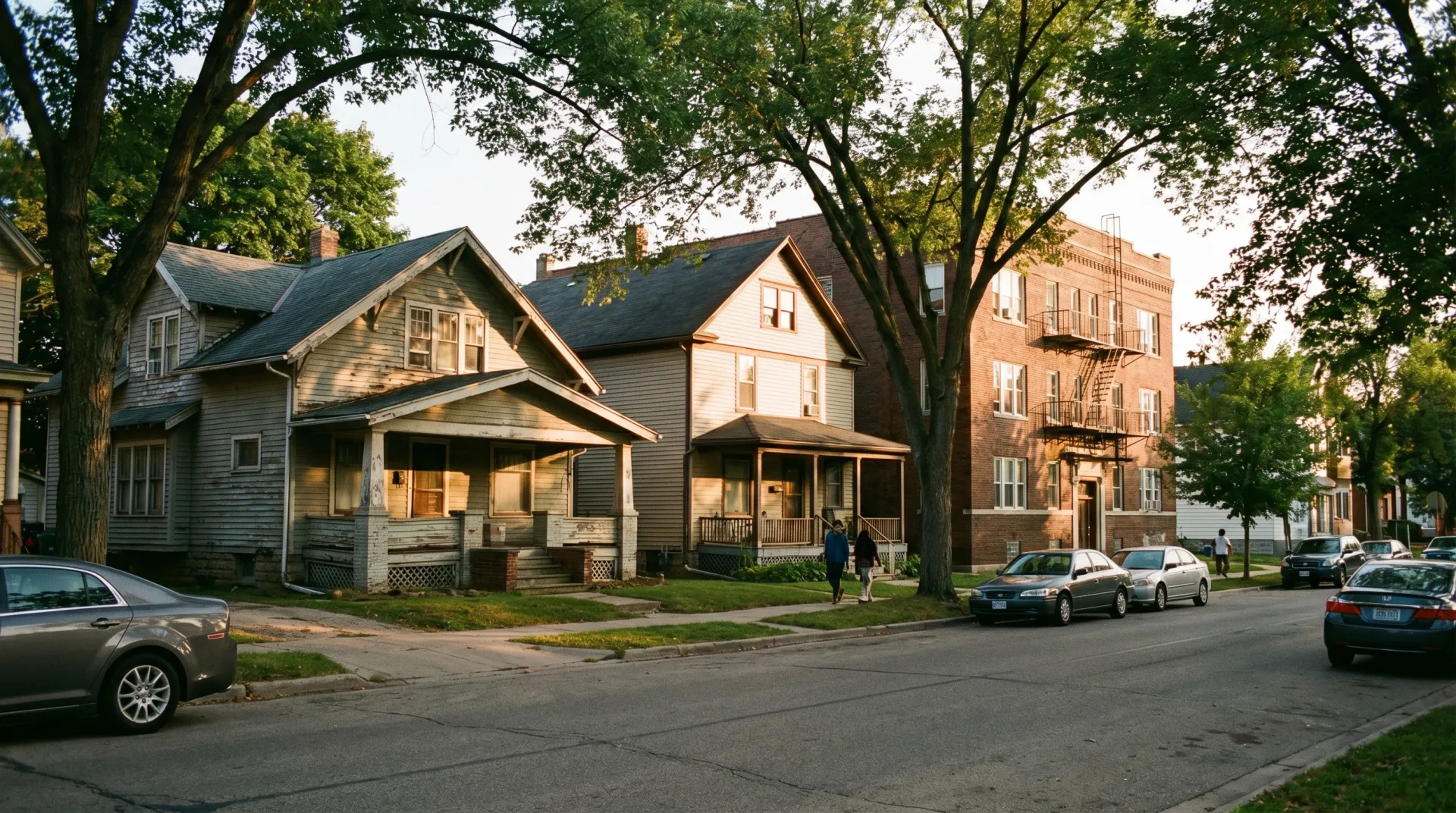
Douglas's investment profile is shaped by its dual identity as a primary-residence community and a high-demand vacation and second-home market on Lake Michigan. The tourism-driven economy creates strong short-term rental demand, particularly from Memorial Day through Labor Day.
Vacation rental properties, including cottages, condominiums, and waterfront homes, represent the most active investment segment. Properties near the lake, downtown, or the river command premium nightly rates during peak season. Several multi-unit configurations exist, including cottage compounds that operate as turnkey rental investments.
However, prospective short-term rental investors should research local regulations carefully. The City of Douglas and surrounding jurisdictions have enacted or considered short-term rental ordinances addressing licensing, occupancy limits, parking, and noise. Regulations in this market have been a subject of ongoing community discussion.
Long-term appreciation in Douglas has been strong, driven by limited developable land, persistent demand for Lake Michigan access, and the area's established cultural and tourism infrastructure. The tight supply of waterfront parcels means existing waterfront properties tend to hold value well.
The median price point of approximately $550,000 positions Douglas above most West Michigan communities. Investors should underwrite conservatively, factoring in the seasonal nature of rental income and the premium pricing relative to year-round rental demand.
Nathan's Take
The local read.
Douglas is one of the most compelling small-town settings in West Michigan, but it is a different kind of purchase than most of what I help buyers with in Kent County. You are buying into a Lake Michigan community with a year-round population of about 1,400, a strong arts and dining scene, and genuine waterfront access. The tradeoff is price point: the median here runs around $550,000, and waterfront properties go well beyond that.
For primary-residence buyers, Douglas works best if your job allows remote work or you do not need a daily commute to Grand Rapids. The drive is about 40 to 45 minutes on I-196, which is manageable but not something most people want to do five days a week. What you get in return is a walkable downtown, Lake Michigan beaches, the Kalamazoo River, and a cultural calendar that would be impressive for a city ten times this size.
The vacation and second-home market is real here, and it drives pricing. If you are looking at Douglas as an investment property, the short-term rental potential is strong during summer months, but do your homework on local rental regulations before committing. Rules vary and have been a topic of community debate.
If Lake Michigan access, an arts-oriented community, and small-town character are at the top of your list, Douglas deserves serious consideration. Just come in with realistic expectations about inventory, competition, and what this market costs.
Location
Douglas on the map
Boundary of the Douglas area. Drag to explore the surrounding neighborhoods and commute corridors.
Listings
Browse homes in Douglas.
See what is currently listed in Douglas and the surrounding area.
Resources
Helpful links
Official city website with government information, announcements, and community resources
Joint visitors bureau with event calendar, dining guide, arts listings, and area information
District homepage for Douglas Elementary, Saugatuck Middle School, and Saugatuck High School
Local history museum and archives preserving the shared heritage of Saugatuck and Douglas
Public library serving both communities with programs, genealogy resources, and local history collections
Year-round art programs and residencies on the Kalamazoo River, affiliated with the School of the Art Institute of Chicago
County government with property tax information, equalization data, and county services
Regional visitors guide covering beaches, dining, and recreation in the Saugatuck-Douglas area
Questions about Douglas?
Ask Nathan.
Send a note with what you are looking for in Douglas, price range, timeline, school or commute priorities, and Nathan will follow up.
Contact
Get in touch
Send a message and Nathan will get back to you within one business day.
Message received
Thank you. Nathan will be in touch soon.
Nathan typically responds within one business day.
— Nathan Strodtbeck, REALTOR®